
Essential Rose Care Guide: How to Grow Stunning Blooms Year After Year

Roses have captivated gardeners for centuries, earning their reputation as the undisputed queens of the flower garden. Their elegant blooms, enchanting fragrances, and incredible diversity make them beloved additions to landscapes worldwide. Yet many gardeners approach rose growing with trepidation, believing these beautiful flowers are difficult to maintain.
The truth is that modern roses are remarkably resilient and easier to grow than ever. While they do require some attention, the rewards far outweigh the effort. A well-cared-for rose bush can produce hundreds of blooms each season and live for decades, becoming a cherished part of your garden's heritage.
This comprehensive guide will teach you everything you need to know about growing healthy, productive roses. From selecting the right varieties to mastering pruning techniques, you'll gain the confidence to cultivate these magnificent plants successfully.
Understanding Rose Types
Before planting, it's helpful to understand the main categories of roses. Each type has different growth habits and care requirements.
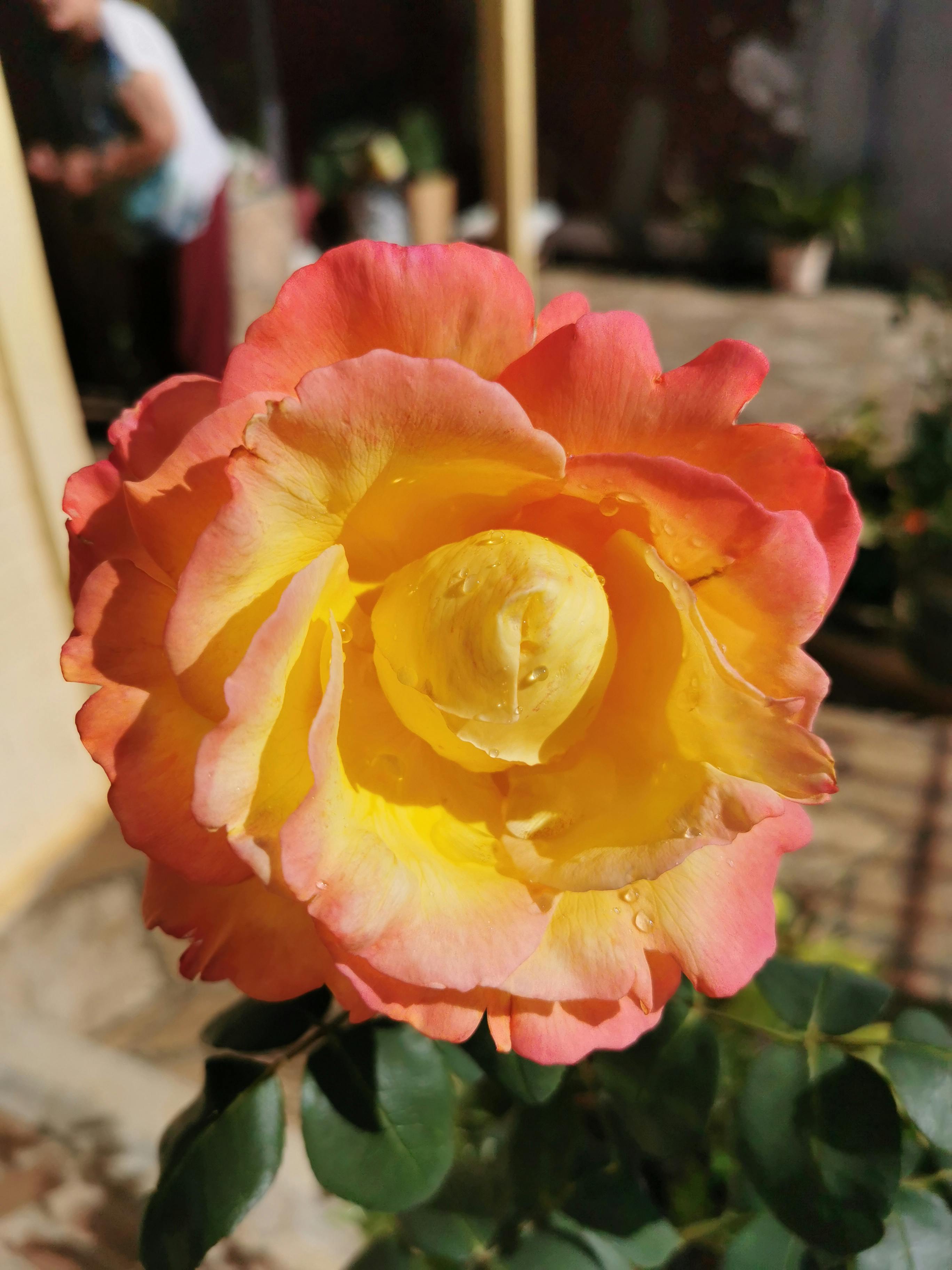
Hybrid Tea Roses
Classic long-stemmed roses, one bloom per stem. Perfect for cutting gardens. They produce large, elegant flowers on upright plants and bloom repeatedly throughout the season.
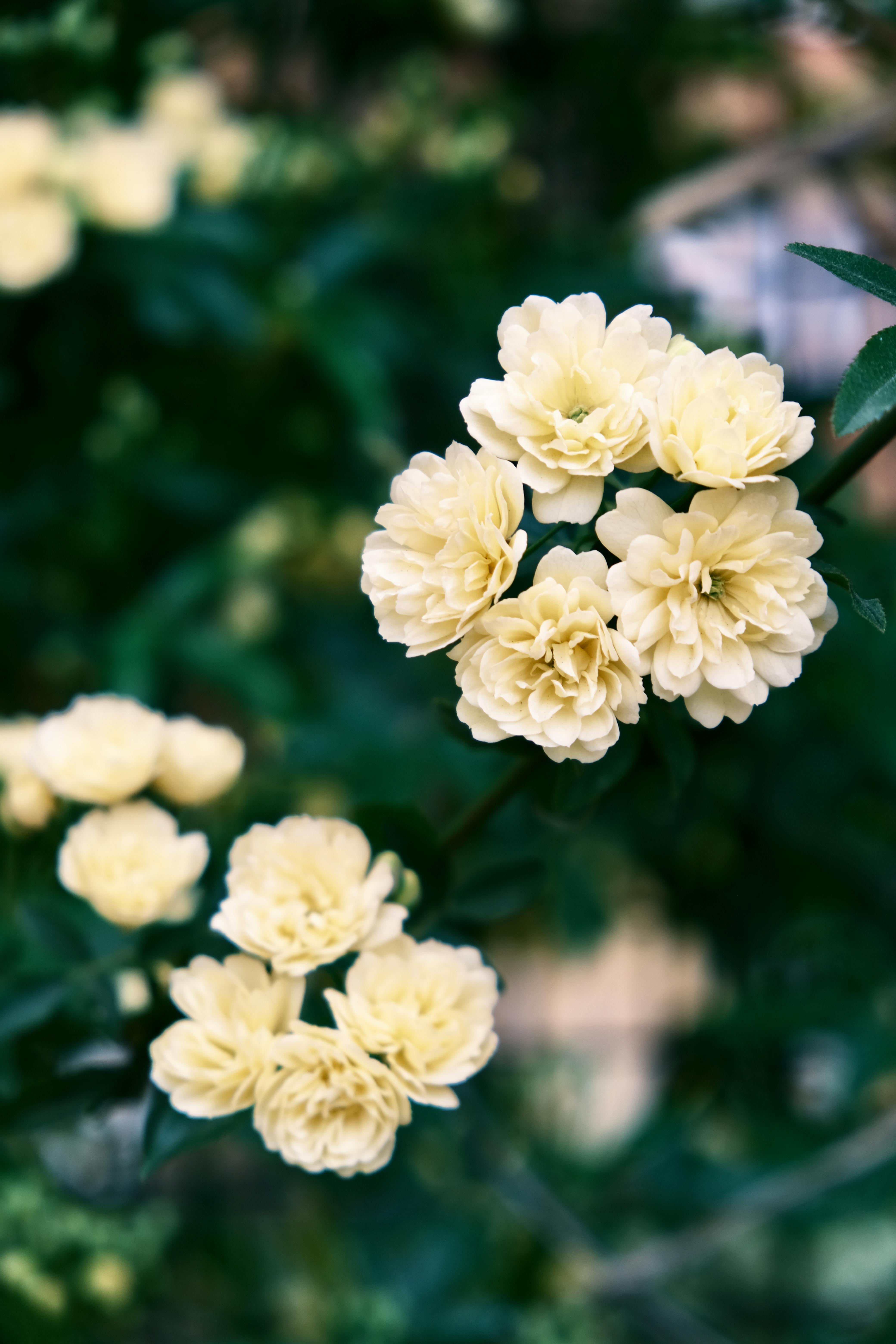
Floribunda Roses
Clusters of smaller flowers on bushier plants. Incredibly prolific, blooming continuously from spring until frost. Lower-maintenance than hybrid teas.
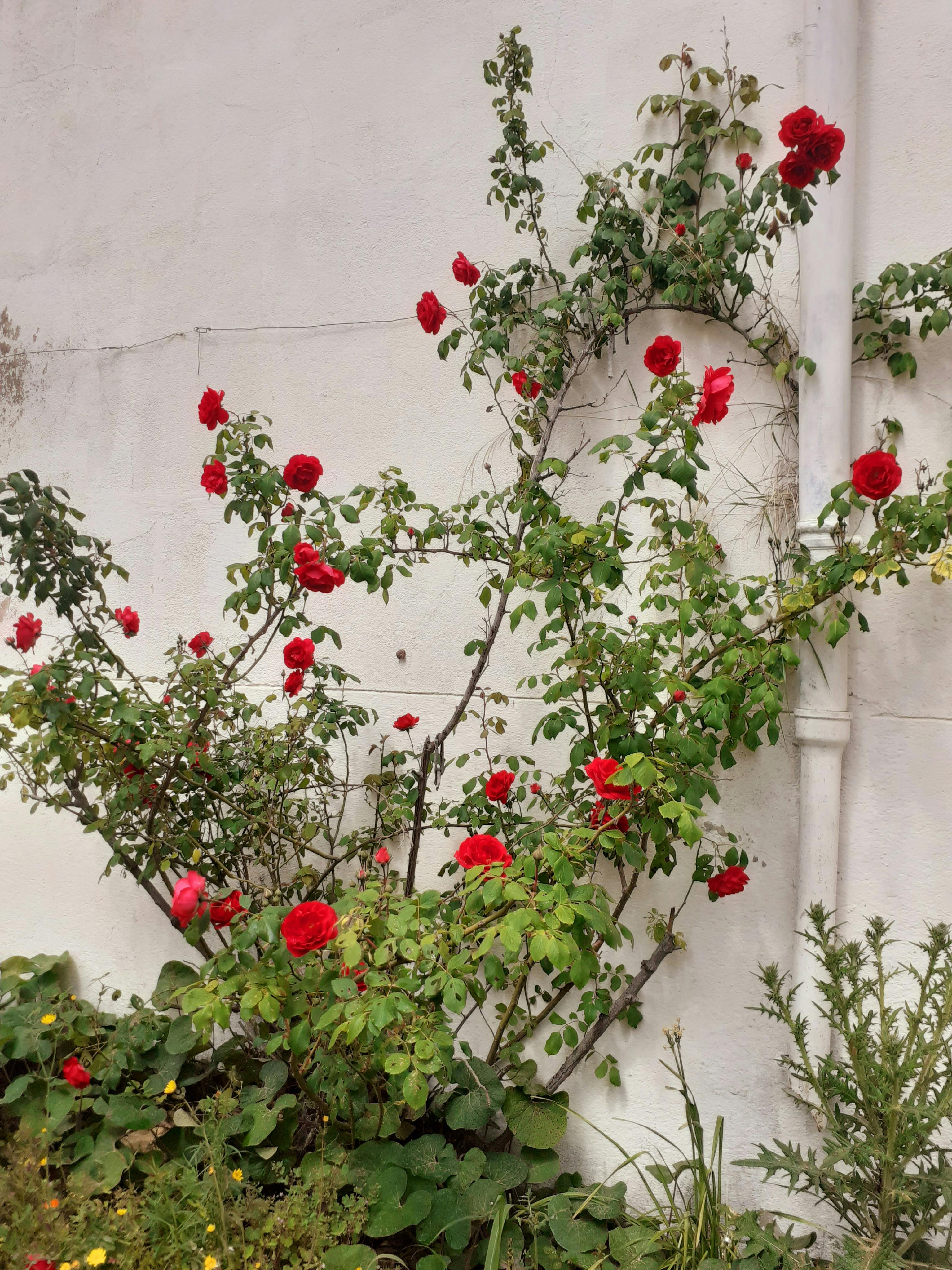
Climbing Roses
Long canes that need support. Perfect for arbors, fences, and walls. Many varieties repeat-bloom throughout the season.
Hybrid Tea Roses
These are the classic long-stemmed roses you see at florists. They produce one large bloom per stem on upright plants. Hybrid teas are perfect for cutting gardens but require more maintenance than other types. They bloom repeatedly throughout the season. Popular varieties include 'Peace', 'Mr. Lincoln', and 'Double Delight'.
Floribunda Roses
Floribundas produce clusters of smaller flowers on bushier plants. They're incredibly prolific, often blooming continuously from spring until frost. These roses are lower-maintenance than hybrid teas and work beautifully in landscape plantings. 'Iceberg' and 'Europeana' are classic examples.
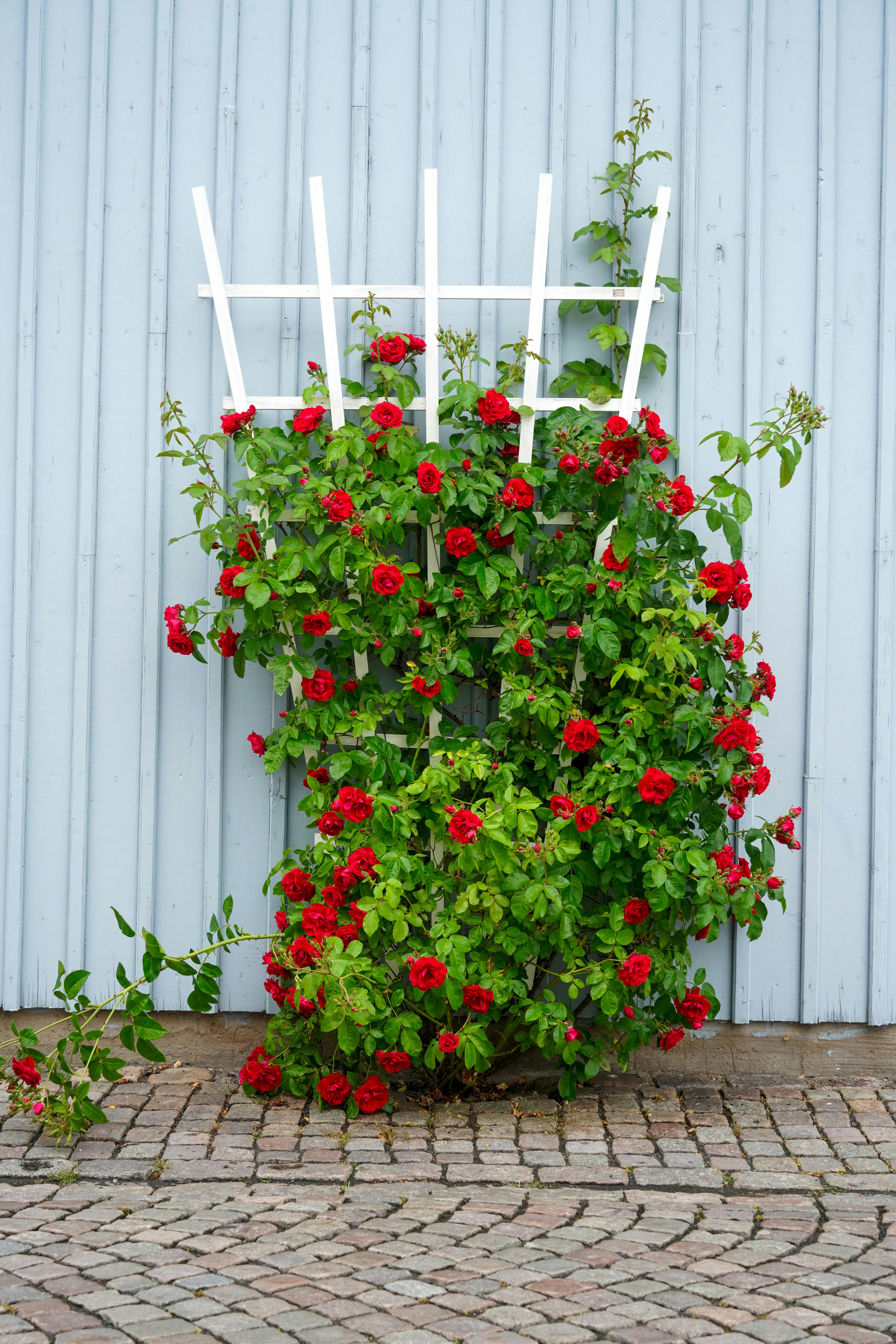
Climbing Roses
Climbers aren't true vines—they produce long canes that need support. They can transform fences, arbors, and walls into spectacular flowering displays. Many repeat-bloom throughout the season. 'New Dawn' and 'Blaze' are popular climbing varieties.
Shrub Roses
This category includes modern landscape roses and old garden roses. They're typically hardy, disease-resistant, and require minimal care. The popular Knock Out® roses belong to this group, as do many David Austin English roses.
Miniature Roses
Perfect for containers and small spaces, miniatures produce tiny blooms on compact plants. They need the same care as full-sized roses but on a smaller scale. They're excellent for patios, balconies, and front-of-border plantings.
Selecting the Right Roses for Your Garden
Consider Your Climate
Roses have different cold hardiness levels. Check the plant tag for USDA zone information and choose roses rated for your area. Some roses thrive in hot, humid climates while others prefer dry conditions. Always select varieties suited to your local growing conditions.
Evaluate Disease Resistance
Modern breeders have developed many disease-resistant varieties. Look for roses labeled as resistant to black spot, powdery mildew, and rust. This is especially important if you prefer to garden organically. The AARS (All-America Rose Selections) winners are tested for disease resistance.
Rose Selection Tip
When choosing roses, consider not just the flower color but also the plant's mature size, disease resistance, and fragrance. Read plant tags carefully and research varieties before purchasing. Local rose societies are excellent resources for recommendations.
Consider Fragrance
Not all roses are fragrant, though many are. If scent matters to you, seek out varieties known for their perfume. 'Mr. Lincoln', 'Double Delight', 'Gertrude Jekyll', and 'Jude the Obscure' are famously fragrant choices. Fragrance intensity can vary with weather and time of day.
Planting Roses Correctly
When to Plant
In most regions, early spring or fall is ideal for planting roses. Spring planting gives roots time to establish before summer heat. Fall planting allows roots to grow during cool weather for a strong start next spring. Avoid planting during extreme heat or when the ground is frozen.

Choosing the Right Location
Roses need at least 6 hours of direct sunlight daily. Morning sun is especially important because it dries dew from leaves, reducing disease risk. Good air circulation is equally crucial—crowded plants are more susceptible to fungal problems. Avoid planting near large trees or shrubs that compete for water and nutrients.
Preparing the Planting Hole
Dig a hole twice as wide as the root ball but only as deep. The planting depth depends on your climate. In cold areas, position the graft union (the swollen knot where the rose was budded) 1-2 inches below soil surface. In warm climates, keep it at or slightly above soil level.
Soil Preparation
Roses prefer rich, well-draining soil with plenty of organic matter. Mix compost, aged manure, or peat moss into the removed soil. This improves drainage in heavy soils and helps sandy soils retain moisture. A soil pH between 6.0 and 6.5 is ideal for roses.
Planting Steps
- Soak bare-root roses in water for 12-24 hours before planting
- Dig hole twice as wide as roots
- Create a cone of soil in the center for bare-root roses
- Spread roots over the cone
- Backfill with amended soil, watering to remove air pockets
- Water thoroughly after planting
- Mound soil around canes if planting in fall or early spring
Watering Roses Wisely
Roses need consistent moisture but dislike wet feet. Proper watering is essential for healthy growth and abundant blooms.
How Much Water
Most roses need about 1 inch of water per week from rain or irrigation. During hot, dry spells, they may need more. Sandy soils dry faster than clay soils and require more frequent watering. Container-grown roses need more frequent watering than those in the ground.
| Soil Type | Watering Frequency | Amount per Week |
|---|---|---|
| Sandy Soil | Every 2-3 days | 1-1.5 inches |
| Loamy Soil | Every 4-5 days | 1 inch |
| Clay Soil | Every 5-7 days | 0.75-1 inch |
Best Watering Practices
- Water deeply at the base: Avoid wetting foliage to prevent fungal diseases
- Use soaker hoses or drip irrigation: Delivers water directly to roots
- Water in morning: Plants have all day to dry before night
- Mulch: Apply 2-3 inches of organic mulch to conserve moisture
- Check soil moisture: Stick finger 2 inches into soil; water if dry
Fertilizing for Abundant Blooms
Roses are heavy feeders that reward generous fertilizing with abundant flowers. A proper fertilizing schedule ensures healthy growth and continuous blooming.
Understanding Nutrient Needs
- Nitrogen (N): Promotes leafy growth and green color
- Phosphorus (P): Supports root development and flower production
- Potassium (K): Improves overall plant health and disease resistance
Organic Fertilizer Options
- Compost: Apply as a topdressing in spring and fall
- Alfalfa Meal: Rich in nitrogen and contains growth hormones beneficial to roses
- Fish Emulsion: Fast-acting nitrogen source for quick green-up
- Bone Meal: High in phosphorus for root and bloom development
- Seaweed Extract: Provides trace minerals and improves stress tolerance
- Epsom Salts: Provides magnesium for greener leaves and more canes
Fertilizing Schedule
- Early Spring: Apply balanced fertilizer as new growth appears
- After First Bloom: Feed again to support continued flowering
- Midsummer: Apply lightly to sustain blooms without encouraging late growth
- Stop fertilizing 6-8 weeks before first frost to allow plants to harden off
Pruning Roses Confidently
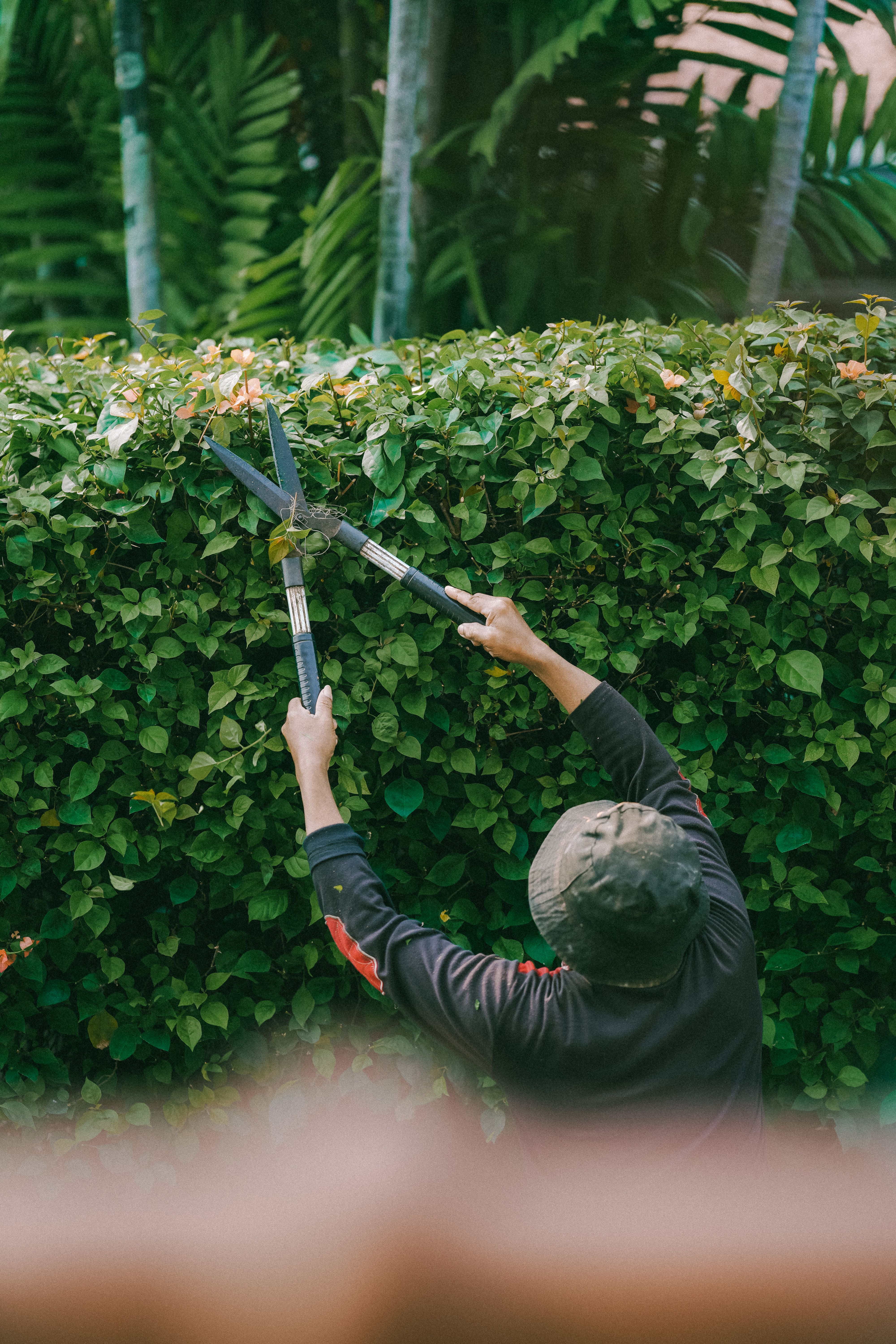
Pruning terrifies many gardeners, but it's simply removing the right parts to encourage healthy growth and abundant blooms. Proper pruning is essential for vigorous plants and maximum flowers.
Why Prune Roses
- Removes dead, damaged, or diseased wood
- Opens the plant to light and air circulation
- Shapes the plant for better appearance
- Encourages new growth that produces the best flowers
- Controls size and maintains plant health
When to Prune
The main pruning occurs in late winter or early spring, just as buds begin swelling but before leaves emerge. This timing varies by region—watch for forsythia blooming as a natural signal. Light pruning during the growing season removes spent flowers (deadheading) and shapes plants.
Pruning Tools
- Bypass pruners: For cuts up to ½ inch, makes clean cuts like scissors
- Loppers: For thicker branches up to 1½ inches
- Pruning saw: For very old, thick canes
- Thick gloves: Protect against thorns
- Disinfectant: Clean tools between plants to prevent disease spread
Pruning Steps
- Remove all dead, damaged, or diseased wood first
- Remove thin, weak growth thinner than a pencil
- Remove crossing branches that rub together
- Open the center to improve air circulation
- Cut remaining healthy canes back by one-third to one-half
- Make cuts at a 45-degree angle, ¼ inch above an outward-facing bud
Pruning Different Rose Types
- Hybrid Teas and Grandifloras: Prune hard to 3-5 strong canes, 12-18 inches tall
- Floribundas: Prune moderately, leaving 5-7 canes
- Shrub Roses: Light pruning to shape and remove old wood
- Climbers: Prune after flowering, removing old canes and training new ones
- Miniatures: Lightly shape and remove dead wood
Managing Pests and Diseases Naturally
Roses attract their share of problems, but most are manageable with organic methods. Early detection and proper care prevent most issues.
Common Rose Diseases
Black Spot: Circular black spots with yellow halos on leaves. Leaves yellow and drop. Prevent with good air circulation, avoid wet foliage, and choose resistant varieties. Treat with neem oil or sulfur-based fungicides. Remove and destroy infected leaves.
Powdery Mildew: White powdery coating on leaves, buds, and stems. Common in humid conditions with poor air movement. Improve air flow, avoid overcrowding, and treat with potassium bicarbonate or milk sprays (1 part milk to 9 parts water).
Rust: Orange-red pustules on leaf undersides. Remove infected leaves and improve air circulation. Sulfur sprays can help prevent spread. Ensure good air circulation around plants.
Common Rose Pests
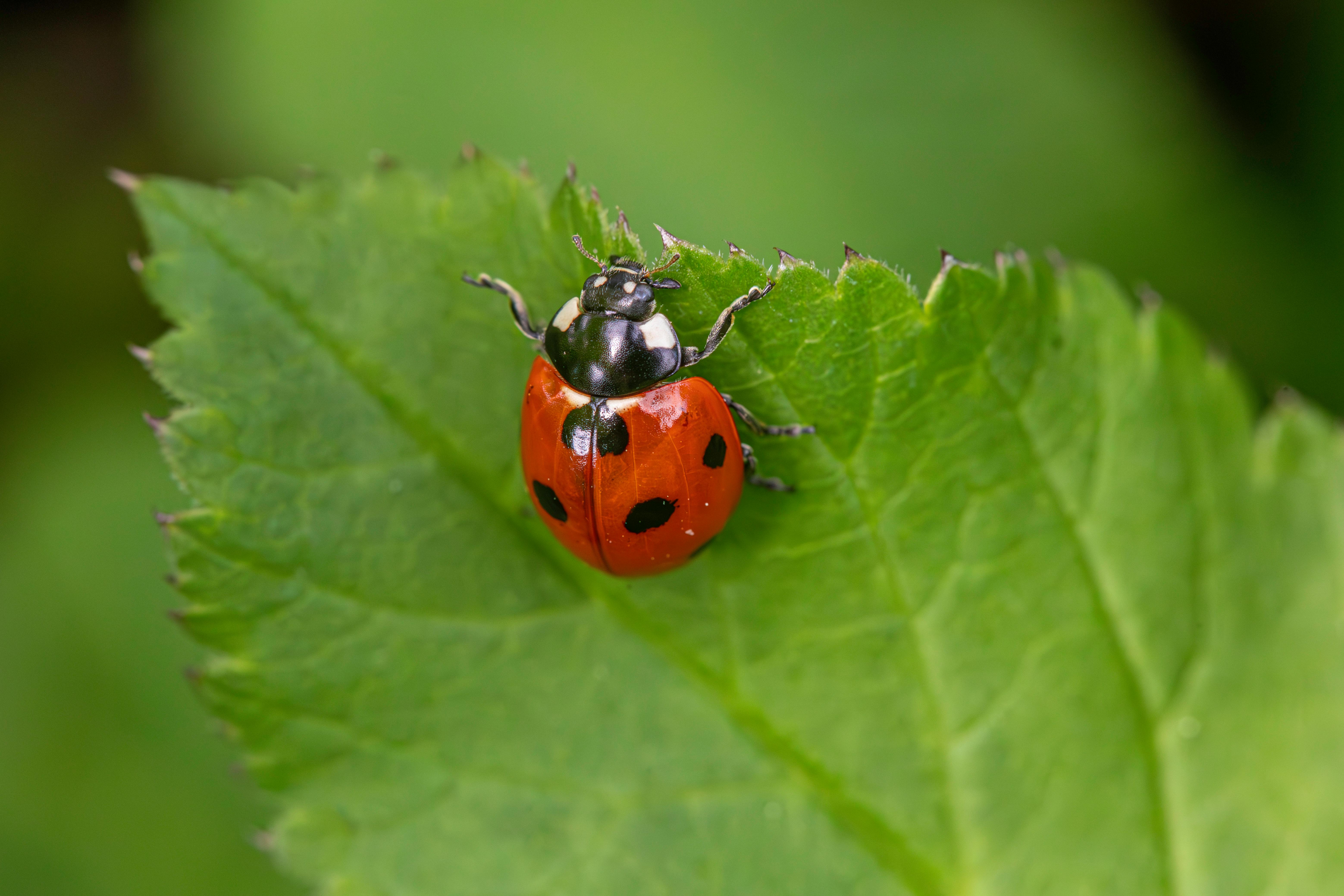
Aphids: Tiny green, black, or pink insects clustering on new growth. Blast off with strong water spray or treat with insecticidal soap. Encourage ladybugs and lacewings that eat aphids. Plant companion plants like garlic and chives to repel them.
Japanese Beetles: Metallic green beetles that skeletonize leaves and eat flowers. Handpick into soapy water early in the morning when beetles are sluggish. Milky spore disease applied to lawns can reduce grub populations. Use pheromone traps away from roses.
Spider Mites: Tiny pests causing stippled, yellowing leaves. More common in dry, dusty conditions. Spray plants regularly with water to dislodge mites and increase humidity. Predatory mites can provide biological control.
Thrips: Tiny insects that damage flower buds, causing deformed blooms. More common on light-colored roses. Prune and destroy affected buds. Blue sticky traps can help monitor populations. Encourage beneficial insects.
Winter Protection for Roses
In cold climates, roses need help surviving winter. Proper winter protection ensures they return vigorous in spring.
Preparing for Winter
- Stop fertilizing in late summer (6-8 weeks before first frost)
- Continue watering until ground freezes—hydrated plants survive better
- Clean up fallen leaves and debris that might harbor diseases
- Remove any diseased foliage from plants
Mulching for Winter
After the first hard freeze, mound soil, compost, or mulch over the base of plants to protect the graft union. In very cold areas (Zone 5 and colder), surround plants with wire cages filled with leaves or straw. The mulch should be 8-12 inches deep.
Protecting Climbing Roses
In cold climates, remove climbers from supports, lay canes on the ground, and cover with soil and mulch. In milder climates (Zone 6 and warmer), wrapping canes with burlap may suffice. Always protect the graft union.
Spring Cleanup
Remove winter mulch gradually as weather warms in spring. Prune any winter-damaged wood after new growth begins. Watch for signs of life and be patient—roses are often late to leaf out.
Extending the Rose Season
Deadheading for Repeat Blooms
Remove spent flowers regularly to encourage reblooming. Cut back to the first five-leaflet leaf, making the cut just above an outward-facing bud. Stop deadheading in fall if you want hips (seed pods) for winter interest and bird food.
Encouraging Fall Blooms
Continue watering and light feeding through summer. A light application of fertilizer in late summer can stimulate one last flush of blooms before frost. Remove any diseased foliage to keep plants healthy.
Cutting Roses for Arrangements
Cut flowers in early morning when fully hydrated. Choose stems with buds just beginning to open. Recut stems under water and place immediately in warm water with floral preservative. Strip leaves that would be below water line. Change water daily.
Troubleshooting Common Rose Problems
| Problem | Possible Causes | Solution |
|---|---|---|
| Yellow Leaves | Overwatering, underwatering, nutrient deficiency, or disease | Check soil moisture; examine leaves for spots; test soil pH |
| Few Blooms | Insufficient sunlight, improper pruning, excess nitrogen, or age | Ensure 6+ hours sun; prune correctly; use balanced fertilizer |
| Weak, Spindly Growth | Insufficient light, overcrowding, or poor soil | Improve light exposure; thin plants; amend soil with compost |
| Cane Dieback | Winter damage, canker disease, or borer insects | Prune back to healthy white pith; disinfect pruners between cuts |
| Holes in Leaves | Caterpillars, sawfly larvae, or beetles | Handpick pests; use Bt for caterpillars; encourage birds |
Rose Care Secret
Banana peels are excellent for roses! Bury a peel near the base of each plant—they provide potassium and other nutrients while improving soil structure. The peels decompose quickly and earthworms love them. Eggshells also provide calcium and help deter slugs.
Companion Plants for Roses
Certain plants grow well with roses, enhancing their beauty and helping with pest control:
- Lavender: Repels pests and provides beautiful contrast
- Catmint: Softens rose plantings and attracts pollinators
- Salvia: Adds vertical interest and attracts beneficial insects
- Geraniums: Repel Japanese beetles
- Marigolds: Deter nematodes and other pests
- Alliums (ornamental onions): Repel aphids and other pests
- Parsley: Attracts beneficial insects
Conclusion
Growing roses successfully isn't about following rigid rules—it's about understanding these remarkable plants and working with their natural cycles. Each rose you plant becomes a teacher, revealing its preferences through its growth and flowering.
Start with a few easy-care varieties and expand as your confidence grows. Pay attention to your plants, and they'll tell you what they need. Before long, you'll find yourself looking forward to spring pruning, anticipating the first blooms, and proudly cutting bouquets for your home.
The world of roses is vast and rewarding. With proper care, your roses will reward you with decades of beauty, fragrance, and joy. Welcome to the community of rose lovers—you're about to discover why these flowers have inspired poets, artists, and gardeners for thousands of years.
Happy rose growing! May your garden be filled with beautiful blooms.