
Organic Pest Control: Protect Your Garden Naturally
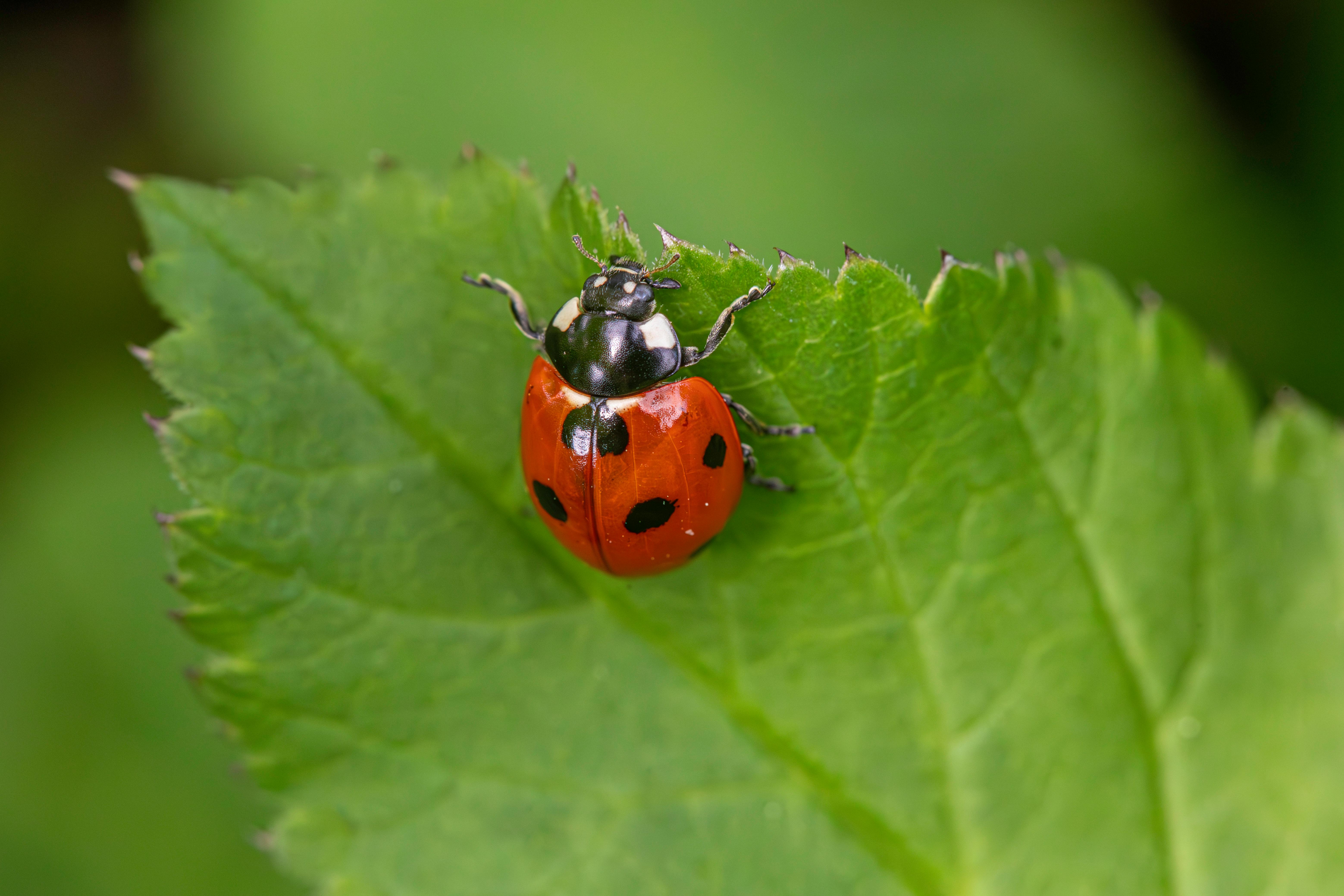
Every gardener eventually faces the challenge of pests. Those perfect leaves suddenly have holes. Tiny insects cluster on new growth. Fruits show mysterious damage. It's easy to reach for chemical pesticides, but these often do more harm than good—killing beneficial insects, contaminating soil and water, and creating long-term problems.
Organic pest control offers a better way. By working with nature rather than against it, you can manage pests effectively while maintaining a healthy, balanced garden ecosystem. The goal isn't to eliminate all insects—many are beneficial or harmless—but to keep pest populations below damaging levels.
This comprehensive guide will teach you everything you need to know about organic pest control. From prevention strategies and companion planting to beneficial insects and homemade remedies, you'll learn how to protect your garden without toxic chemicals.
The Philosophy of Organic Pest Control
Organic pest control isn't about reaching for a spray bottle at the first sign of trouble. It's a holistic approach that starts with prevention and uses multiple strategies working together.
Key Principles
- Prevention is better than cure: Healthy plants in healthy soil resist pests naturally
- Identify before acting: Know what pest you're dealing with—many insects are beneficial
- Tolerance is okay: Some damage is acceptable; perfect plants aren't necessary
- Least toxic first: Start with the gentlest control methods
- Encourage balance: A diverse garden supports natural predators

Prevention: Your First Line of Defense
Most pest problems can be prevented with good cultural practices. Healthy plants simply don't attract as many pests.
Soil Health
Healthy soil grows healthy plants. Plants grown in rich, living soil with plenty of organic matter are more resistant to pests and diseases. They grow faster, recover from damage quicker, and produce compounds that deter insects.
- Add compost regularly
- Maintain proper soil pH
- Use organic mulches
- Avoid synthetic fertilizers that create lush, pest-attractive growth
Plant Selection
- Choose resistant varieties: Many plants are bred for pest resistance
- Select native plants: Adapted to local pests and conditions
- Buy healthy transplants: Inspect plants before purchasing
- Use certified seeds: Disease-free starting point
Garden Hygiene
- Remove diseased plant material promptly
- Clean up fallen leaves and debris where pests overwinter
- Disinfect tools between uses, especially after working with diseased plants
- Rotate crops to prevent pest buildup
Water Management
- Water at the base of plants, not overhead
- Water in the morning so plants dry during the day
- Avoid overwatering, which stresses plants and encourages fungal gnats
- Use drip irrigation or soaker hoses
The 10-Minute Daily Garden Check
Spend just 10 minutes each day walking through your garden and observing your plants. Look under leaves, check new growth, and notice any changes. Early detection makes pest control much easier. Remove any pests you find by hand before populations explode.
Physical and Mechanical Controls
Sometimes the simplest methods are most effective. Physical controls create barriers or remove pests manually.
Handpicking
For larger pests like tomato hornworms, cabbage worms, and Japanese beetles, handpicking is effective and satisfying. Drop pests into a bucket of soapy water. Check plants regularly, especially under leaves.
Row Covers
Lightweight fabric row covers exclude pests while letting light, air, and water through. Use them for:
- Cabbage family crops to prevent cabbage moths
- Carrots to exclude carrot rust flies
- Cucurbits to prevent cucumber beetles
- Young seedlings vulnerable to cutworms
Remove covers when plants need pollination (for fruiting crops).
Sticky Traps
Yellow sticky traps attract and catch flying insects like whiteflies, fungus gnats, and aphids. Place near affected plants but not so many that you catch beneficial insects.
Barriers and Collars
- Copper tape: Around pots deters slugs and snails
- Cardboard collars: Around seedling stems prevent cutworms
- Diatomaceous earth: Sharp powder damages soft-bodied insects (reapply after rain)
- Netting: Protects fruits from birds and larger pests
Water Spray
A strong jet of water from a hose can dislodge aphids, spider mites, and other small pests. Do this in the morning so plants dry quickly. Repeat every few days as needed.
Beneficial Insects: Nature's Pest Control
Encouraging beneficial insects is one of the most effective organic pest control strategies. These natural predators and parasitoids keep pest populations in check.
Ladybugs
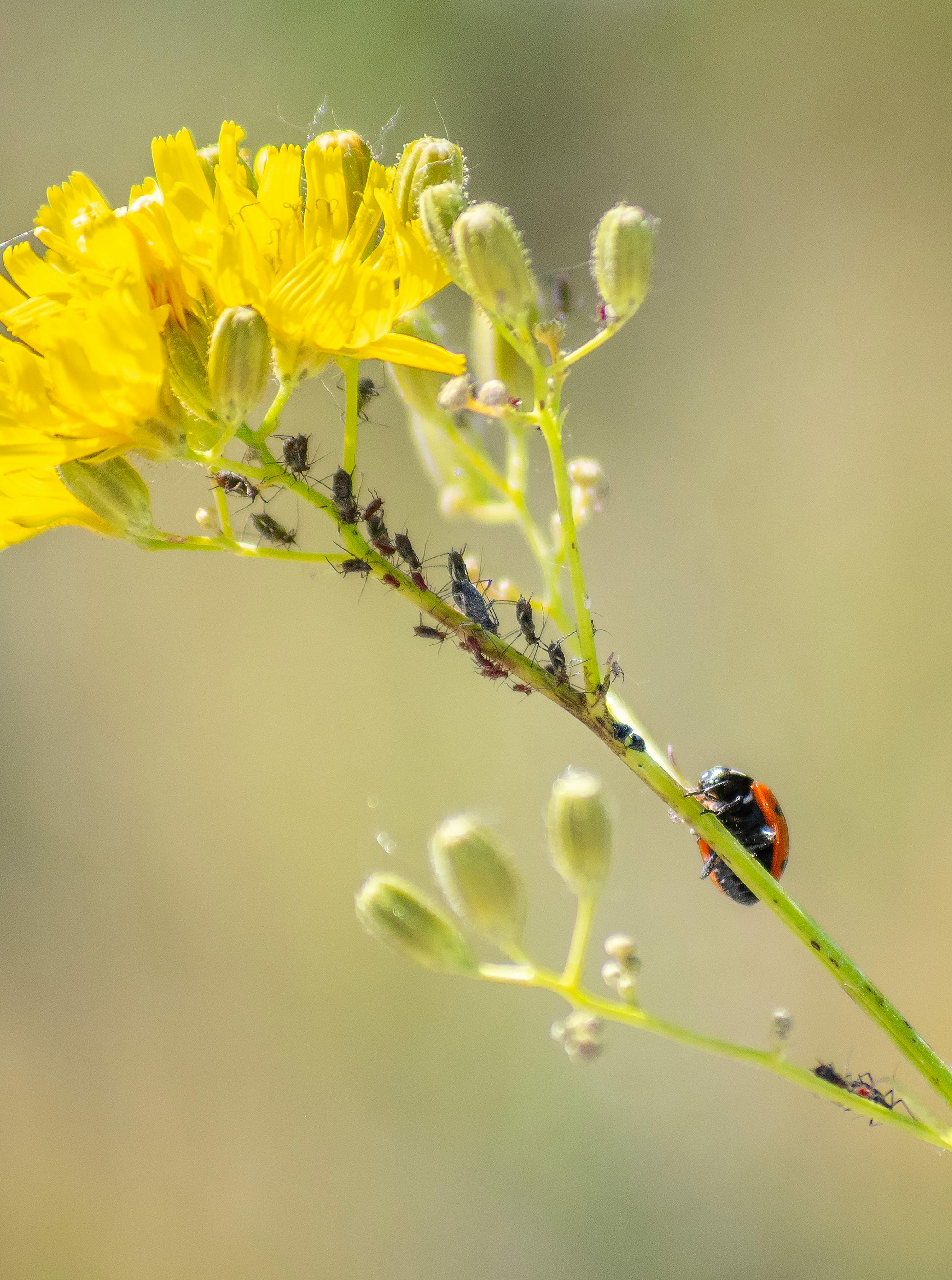
Each eats 50+ aphids per day. Also eat scale, mites, and small caterpillars.
Lacewings
"Aphid lions" larvae devour aphids, thrips, and small caterpillars.
Hoverflies
Larvae eat aphids; adults pollinate flowers.
Spiders
Generalist predators that catch many garden pests.
Parasitic Wasps
Tiny wasps lay eggs in pests like aphids, caterpillars, and whiteflies.
Ground Beetles
Eat slugs, cutworms, and soil-dwelling pests at night.
How to Attract Beneficial Insects
- Plant diversity: Include flowers of different shapes, sizes, and bloom times
- Provide nectar and pollen: Adult beneficial insects need these food sources
- Include native plants: Adapted to local beneficial insects
- Leave some pests: A few aphids keep ladybugs around
- Provide water: Shallow dishes with stones for landing
- Avoid pesticides: Even organic ones can harm beneficials
Best Plants for Beneficial Insects
| Plant | Beneficials Attracted | Notes |
|---|---|---|
| Dill | Lacewings, parasitic wasps, hoverflies | Allow to flower |
| Fennel | Ladybugs, hoverflies, parasitic wasps | Can be invasive; contain in pots |
| Yarrow | Ladybugs, lacewings, parasitic wasps | Tough perennial |
| Coriander | Hoverflies, parasitic wasps | Quick-growing annual |
| Marigolds | Hoverflies, parasitic wasps | Also deter nematodes |
| Alyssum | Hoverflies, parasitic wasps | Great ground cover |
| Sunflowers | Many beneficial insects | Provide structure and food |
| Cosmos | Lacewings, hoverflies | Easy annual |
Companion Planting for Pest Control
Companion planting is the practice of growing certain plants together to benefit each other. Some plants repel pests, others attract beneficial insects, and some act as trap crops.
Plants That Repel Pests
| Plant | Pests Repelled | Good Companions |
|---|---|---|
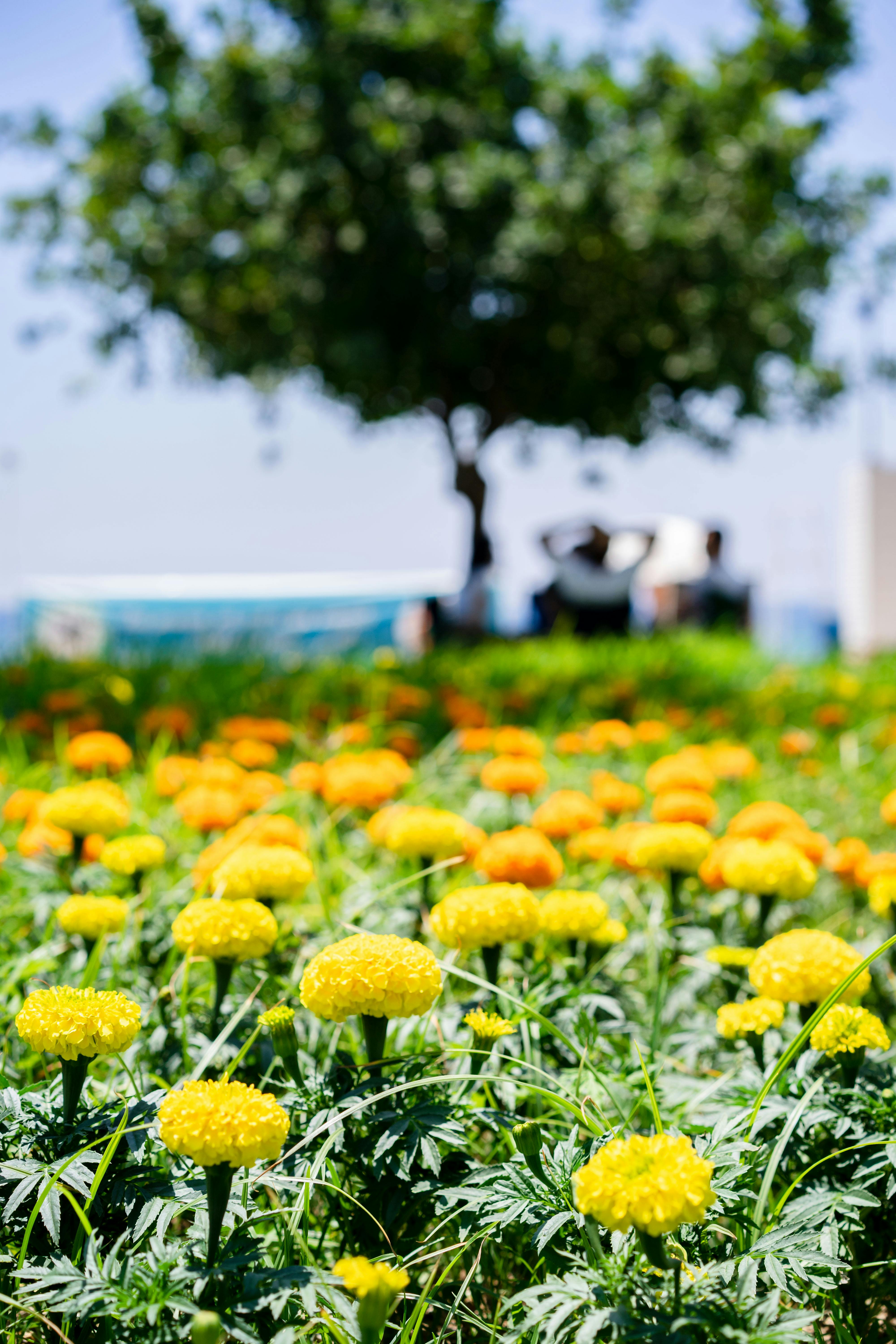
| Marigolds | Nematodes, aphids, whiteflies | Tomatoes, peppers, most vegetables |
| Basil | Flies, mosquitoes, thrips | Tomatoes, peppers, lettuce |
| Nasturtiums | Aphids, squash bugs, whiteflies | Brassicas, cucurbits, tomatoes |
| Garlic | Aphids, Japanese beetles, spider mites | Roses, tomatoes, peppers |
| Onions | Carrot rust flies, aphids | Carrots, beets, lettuce |
| Mint | Ants, aphids, cabbage moths | Brassicas, tomatoes (in pots only—mint spreads) |
| Rosemary | Cabbage moths, carrot flies | Brassicas, beans, carrots |
| Sage | Cabbage moths, carrot flies | Brassicas, carrots, rosemary |
Trap Cropping
Trap crops are plants that pests prefer over your main crops. They lure pests away and concentrate them where you can easily control them.
| Main Crop | Trap Crop | Pest Targeted |
|---|---|---|
| Tomatoes | Nasturtiums | Aphids |
| Brassicas | Nasturtiums, radishes | Cabbage moths, flea beetles |
| Cucurbits | Blue Hubbard squash | Squash bugs, cucumber beetles |
| Beans | Sunflowers | Bean beetles |
Common Garden Pests and Organic Controls
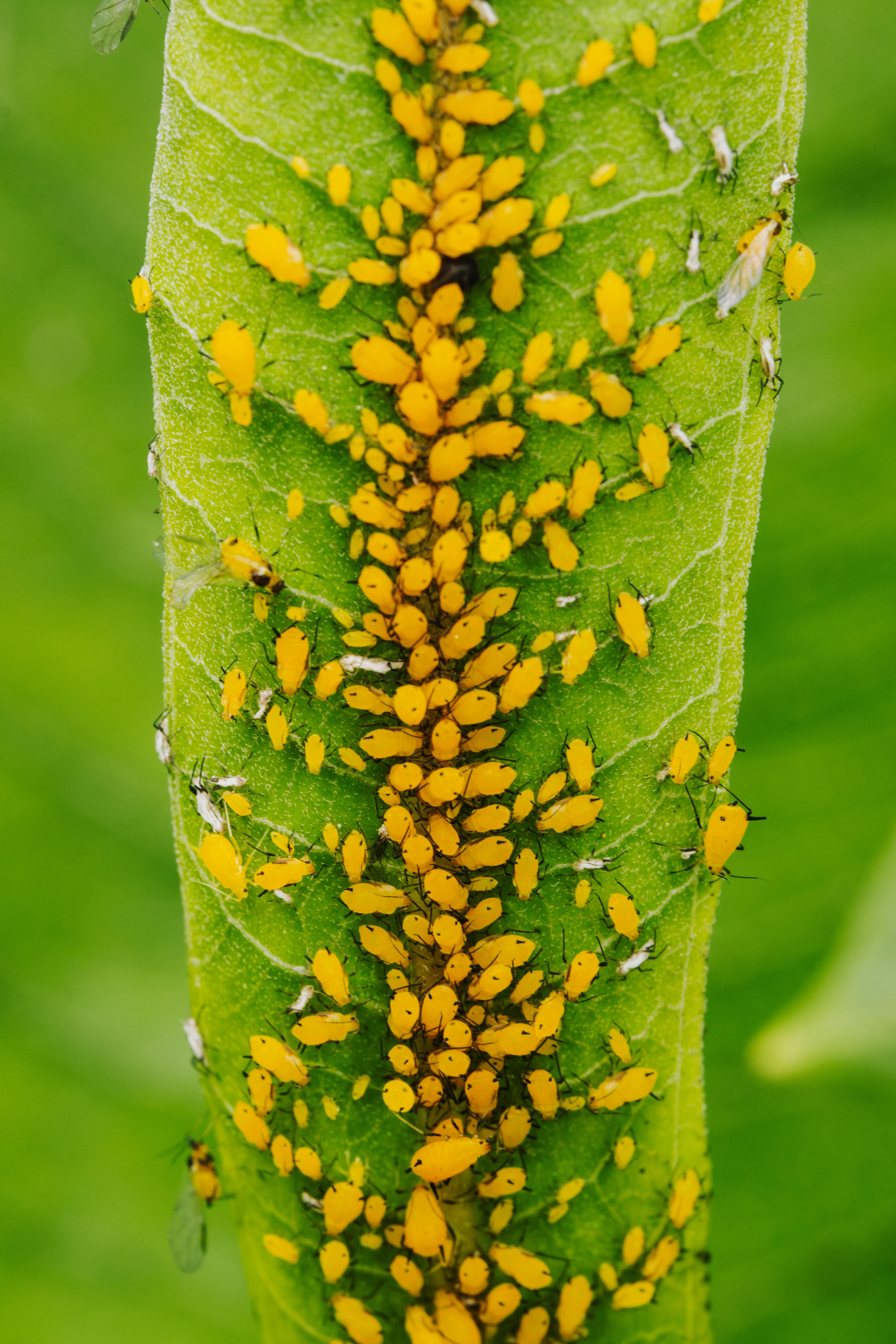
Aphids
Damage: Curled, yellowed leaves; sticky honeydew; sooty mold
Controls: Water spray, insecticidal soap, neem oil, ladybugs, lacewings
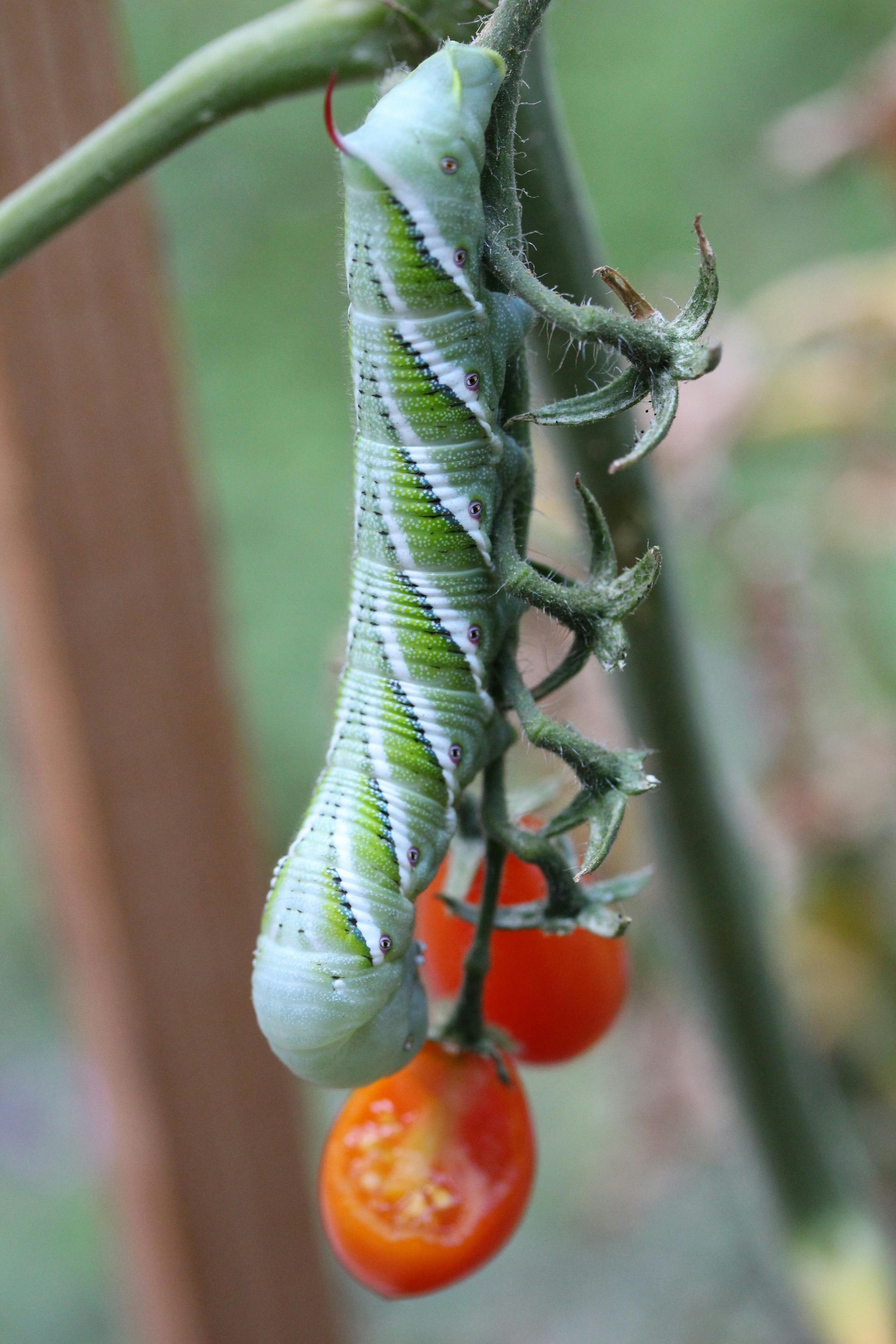
Tomato Hornworms
Damage: Large holes in leaves, defoliation, damaged fruits
Controls: Handpicking, parasitic wasps, Bt (Bacillus thuringiensis)
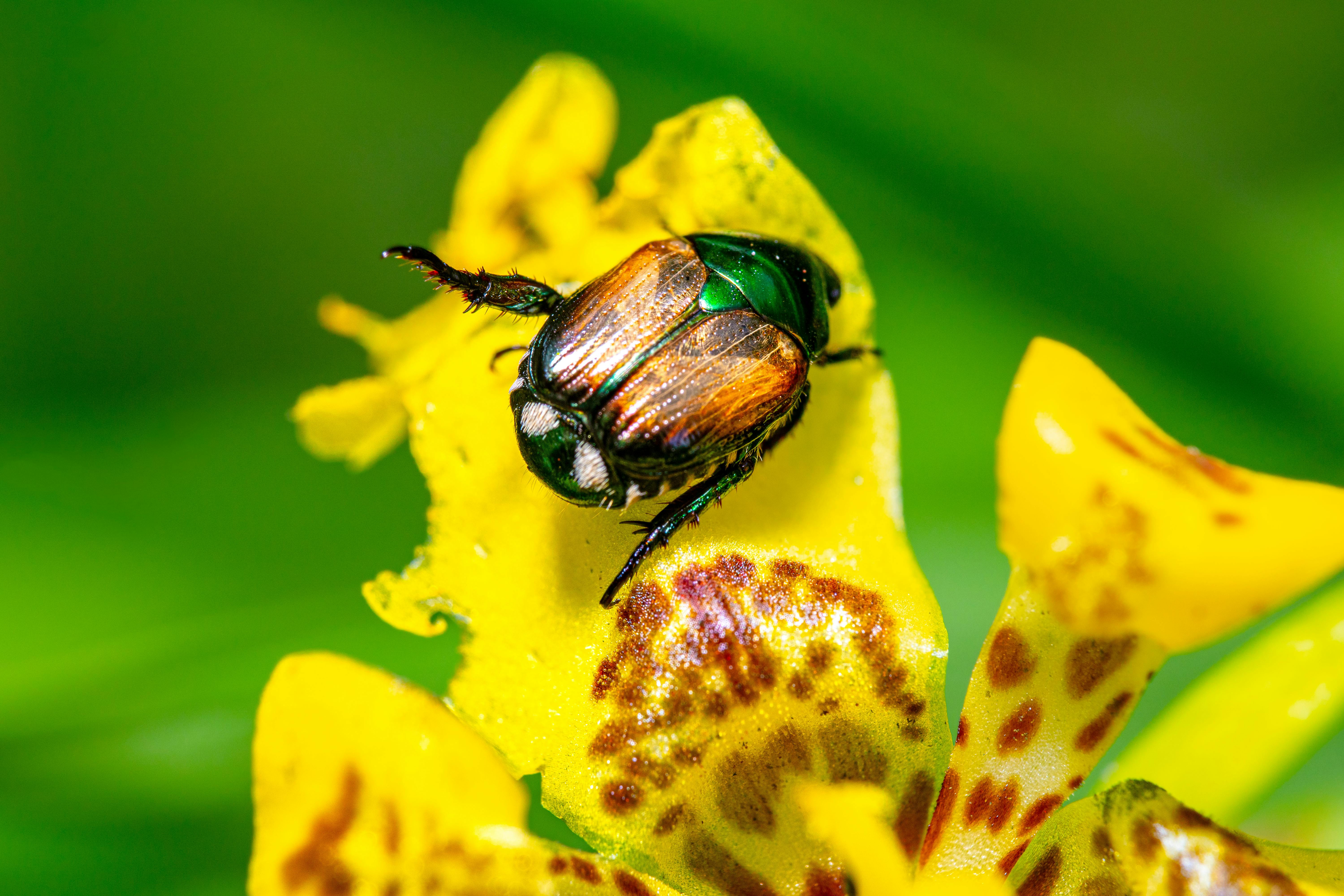
Japanese Beetles
Damage: Skeletonized leaves, damaged flowers and fruits
Controls: Handpicking (morning), milky spore, neem oil, pheromone traps (place away from garden)
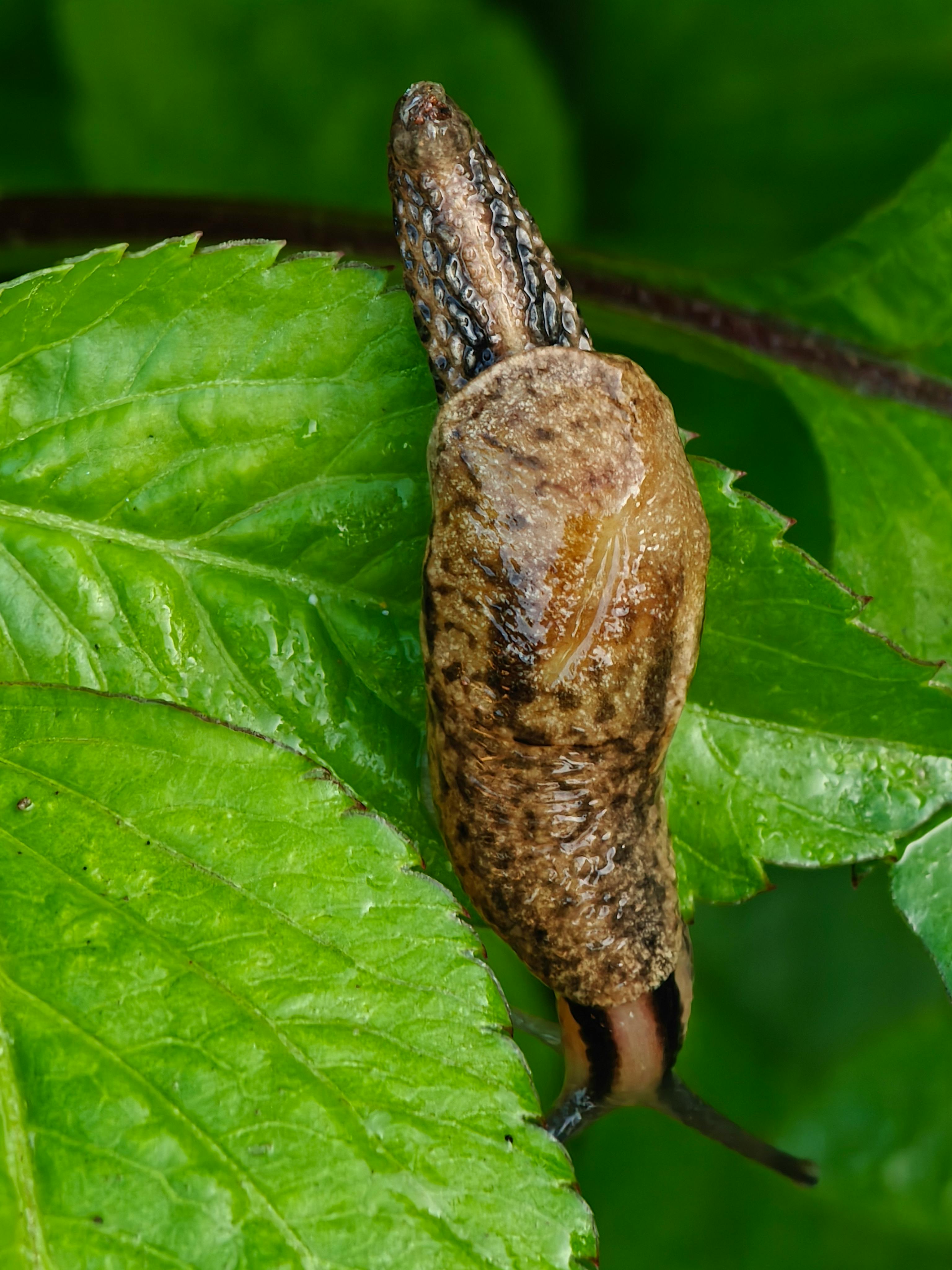
Slugs and Snails
Damage: Irregular holes in leaves, silvery slime trails
Controls: Handpicking at night, beer traps, copper tape, diatomaceous earth, iron phosphate bait
Complete Pest Control Reference Table
| Pest | Plants Affected | Organic Controls | Prevention |
|---|---|---|---|
| Aphids | Almost all plants | Water spray, insecticidal soap, neem oil, ladybugs, lacewings | Attract beneficials, avoid excess nitrogen |
| Cabbage worms | Brassicas (cabbage, kale, broccoli) | Bt, row covers, handpicking, parasitic wasps | Row covers, companion planting with thyme |
| Cutworms | Seedlings of many plants | Cardboard collars, handpicking at night, diatomaceous earth | Remove plant debris, till soil in fall |
| Flea beetles | Eggplant, tomatoes, brassicas | Kaolin clay, neem oil, trap crops (radish), row covers | Remove weeds, use row covers early |
| Japanese beetles | Roses, beans, grapes, many others | Handpicking, neem oil, milky spore (for grubs) | Milky spore in lawn, trap crops |
| Spider mites | Many plants, worse in dry conditions | Water spray, insecticidal soap, neem oil, predatory mites | Mist plants, avoid dusty conditions |
| Squash bugs | Squash, pumpkins, cucumbers | Handpicking eggs and adults, neem oil, trap crops | Remove plant debris, rotate crops |
| Squash vine borers | Squash, zucchini, pumpkins | Slit stems and remove larvae, inject Bt, wrap stems | Row covers until flowering, resistant varieties |
| Tomato hornworms | Tomatoes, peppers, eggplants | Handpicking, Bt, parasitic wasps | Till soil, attract parasitic wasps |
| Whiteflies | Tomatoes, peppers, many others | Yellow sticky traps, insecticidal soap, neem oil, reflective mulch | Remove infested leaves, vacuum adults |
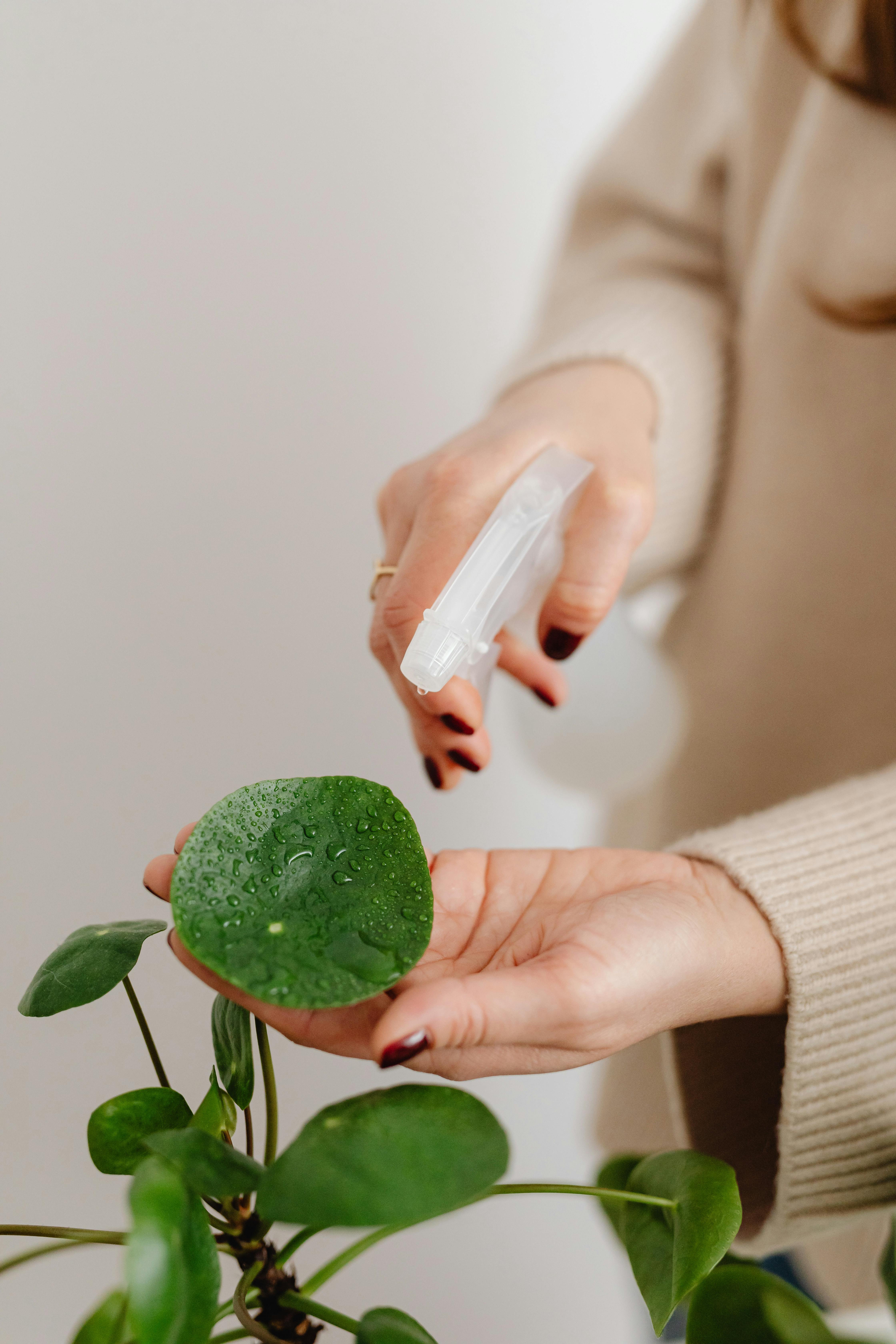
Homemade Organic Pest Control Recipes
Insecticidal Soap Spray
Recipe:
- 1 tablespoon mild liquid soap (Castile soap, not detergent)
- 1 quart water
Use for: Aphids, whiteflies, spider mites, mealybugs
Instructions: Mix and spray directly on pests, covering all surfaces. Reapply every 4-7 days as needed. Avoid spraying in hot sun or on drought-stressed plants.
Neem Oil Spray
Recipe:
- 1 teaspoon neem oil
- 1/2 teaspoon mild liquid soap
- 1 quart warm water
Use for: Aphids, whiteflies, Japanese beetles, caterpillars, powdery mildew
Instructions: Mix and spray thoroughly. Neem works as both a repellent and growth regulator. Apply in evening to avoid leaf burn. Reapply after rain.
Garlic Pepper Spray
Recipe:
- 2 whole garlic bulbs
- 1 tablespoon cayenne pepper
- 1 quart water
- 1 teaspoon mild soap
Use for: General repellent for many pests
Instructions: Blend garlic with water, strain, add cayenne and soap. Spray on plants. Test on a small area first. This is a repellent, not a contact killer.
Diatomaceous Earth
Use for: Slugs, snails, ants, crawling insects
Instructions: Sprinkle dry powder around plants. Reapply after rain. Use food-grade DE only. Wear a mask when applying—it's fine dust that can irritate lungs.
Bacillus Thuringiensis (Bt)
Use for: Caterpillars, hornworms, cabbage worms
Instructions: Mix according to package directions. Spray on leaves. Bt is a naturally occurring bacteria that only affects caterpillars. Safe for beneficial insects, people, and pets.
Important: Test First
Always test any spray on a small area of the plant and wait 24-48 hours before treating the whole plant. Some plants are sensitive to certain ingredients, especially in hot sun. Spray in the evening when beneficial insects are less active.
Organic Disease Control
Many of the same principles apply to plant diseases. Prevention is the best approach.
Common Plant Diseases
| Disease | Symptoms | Organic Controls | Prevention |
|---|---|---|---|
| Powdery Mildew | White powder on leaves | Milk spray (1 part milk, 9 parts water), sulfur, neem oil | Good air circulation, resistant varieties |
| Black Spot | Black spots on roses, yellowing leaves | Neem oil, sulfur, baking soda spray | Water at base, remove infected leaves, resistant varieties |
| Early Blight | Brown spots with rings on tomatoes | Copper fungicide, compost tea | Mulch, rotate crops, remove lower leaves |
| Downy Mildew | Yellow spots on leaf tops, fuzzy growth underneath | Copper fungicide, remove infected leaves | Good air circulation, avoid overhead watering |
Baking Soda Spray for Fungal Diseases
Recipe:
- 1 tablespoon baking soda
- 1 teaspoon vegetable oil
- 1 teaspoon mild soap
- 1 gallon water
Use for: Powdery mildew, black spot, other fungal diseases
Instructions: Mix and spray weekly for prevention, every 3-4 days for active infections. Spray both sides of leaves. This works best as a preventive measure.
Integrated Pest Management (IPM)
IPM is a systematic approach to pest control that combines multiple strategies. Here's how to apply it in your garden:
The IPM Process
- Monitor regularly: Check plants weekly for signs of pests
- Identify correctly: Know what pest you're dealing with
- Establish thresholds: Decide how much damage you'll tolerate
- Prevent first: Use cultural controls to avoid problems
- Intervene with least toxic method: Start with physical controls
- Evaluate results: Did it work? Adjust as needed
The IPM Pyramid
Think of pest control as a pyramid:
- Base (most used): Prevention and cultural controls
- Middle: Physical controls and beneficial insects
- Top (least used): Organic pesticides as last resort
Most problems can be solved at the base of the pyramid without ever reaching for a spray bottle.
When to Use Organic Pesticides
Organic pesticides have their place, but they should be your last resort, not your first response. Use them when:
- Pest populations exceed damage thresholds
- Other methods have failed
- High-value plants are at risk
- Early intervention can prevent larger problems
Important Considerations
- Target specificity: Choose products that affect only the pest you're targeting
- Timing: Apply when beneficial insects aren't active (evening)
- Coverage: Spray thoroughly, especially under leaves
- Reapplication: Organic products break down quickly and may need frequent reapplication
- Follow label directions: Even organic products must be used correctly
Organic Doesn't Mean Harmless
Some organic pesticides can still harm beneficial insects, pollinators, and even people if misused. Rotenone (no longer widely available) and pyrethrins can kill fish and beneficial insects. Always:
- Read and follow label instructions
- Apply only to affected plants
- Avoid spraying flowers where bees forage
- Store safely away from children and pets
Seasonal Pest Management Calendar
| Season | Tasks | Watch For |
|---|---|---|
| Spring | Clean up debris, plant pest-resistant varieties, set up row covers, attract beneficial insects with flowers | Aphids, cutworms, flea beetles, slugs |
| Summer | Monitor regularly, handpick pests, apply organic controls as needed, maintain good air circulation | Japanese beetles, hornworms, squash bugs, spider mites |
| Fall | Remove spent plants, clean up debris, till soil to expose overwintering pests, plant cover crops | Cabbage worms, late-season aphids, diseases on old foliage |
| Winter | Plan next year's garden, order seeds, clean and store tools, maintain compost | Indoor pests on houseplants |
Common Mistakes in Organic Pest Control
- Identifying pests wrong: Killing beneficial insects thinking they're pests
- Overreacting: Spraying for minor damage that plants can tolerate
- Poor timing: Spraying when beneficials are active or in hot sun
- Incomplete coverage: Missing undersides of leaves where pests hide
- Using wrong product: Not matching control to pest
- Expecting perfection: Some pest damage is normal and acceptable
- Neglecting prevention: Relying on sprays instead of building healthy soil
- Killing all insects: A garden without insects has no natural controls
Creating a Pest-Resistant Garden
Diversity is Key
Monocultures (large plantings of one crop) attract pests. Diverse plantings confuse pests and support beneficial insects. Mix vegetables with flowers and herbs.
Healthy Soil = Healthy Plants
Plants grown in rich, living soil with plenty of organic matter are naturally more resistant to pests. They grow faster, recover from damage quicker, and produce defensive compounds.
Choose Resistant Varieties
Many plants are bred for pest and disease resistance. Look for resistant varieties, especially for tomatoes, squash, and roses.
Right Plant, Right Place
Plants stressed by poor growing conditions attract pests. Give plants the sun, soil, water, and space they need.
The 80/20 Rule
In a healthy garden, 80% of pest problems will come from 20% of your plants. Focus your monitoring and control efforts on the most susceptible plants. Learn which plants in your garden attract pests and give them extra attention.
Conclusion
Organic pest control isn't about creating a pest-free garden—it's about creating a balanced ecosystem where pests are kept in check by natural forces. When you see a few aphids, think of the ladybugs they'll attract. When you find a caterpillar, know it may become food for a bird or parasitic wasp.
The goal is management, not elimination. A garden with some pest damage is a healthy garden—one that supports the complex web of life that ultimately protects your plants. By working with nature rather than against it, you'll spend less time fighting pests and more time enjoying your garden.
Start with prevention. Build healthy soil. Plant diverse crops. Encourage beneficial insects. Monitor regularly. Intervene early with the gentlest methods. Only reach for stronger controls when necessary. This approach protects your garden, your family, and the environment.
Here's to a healthy, balanced, pest-resilient garden!