
Container Gardening for Small Spaces: Grow Food Anywhere
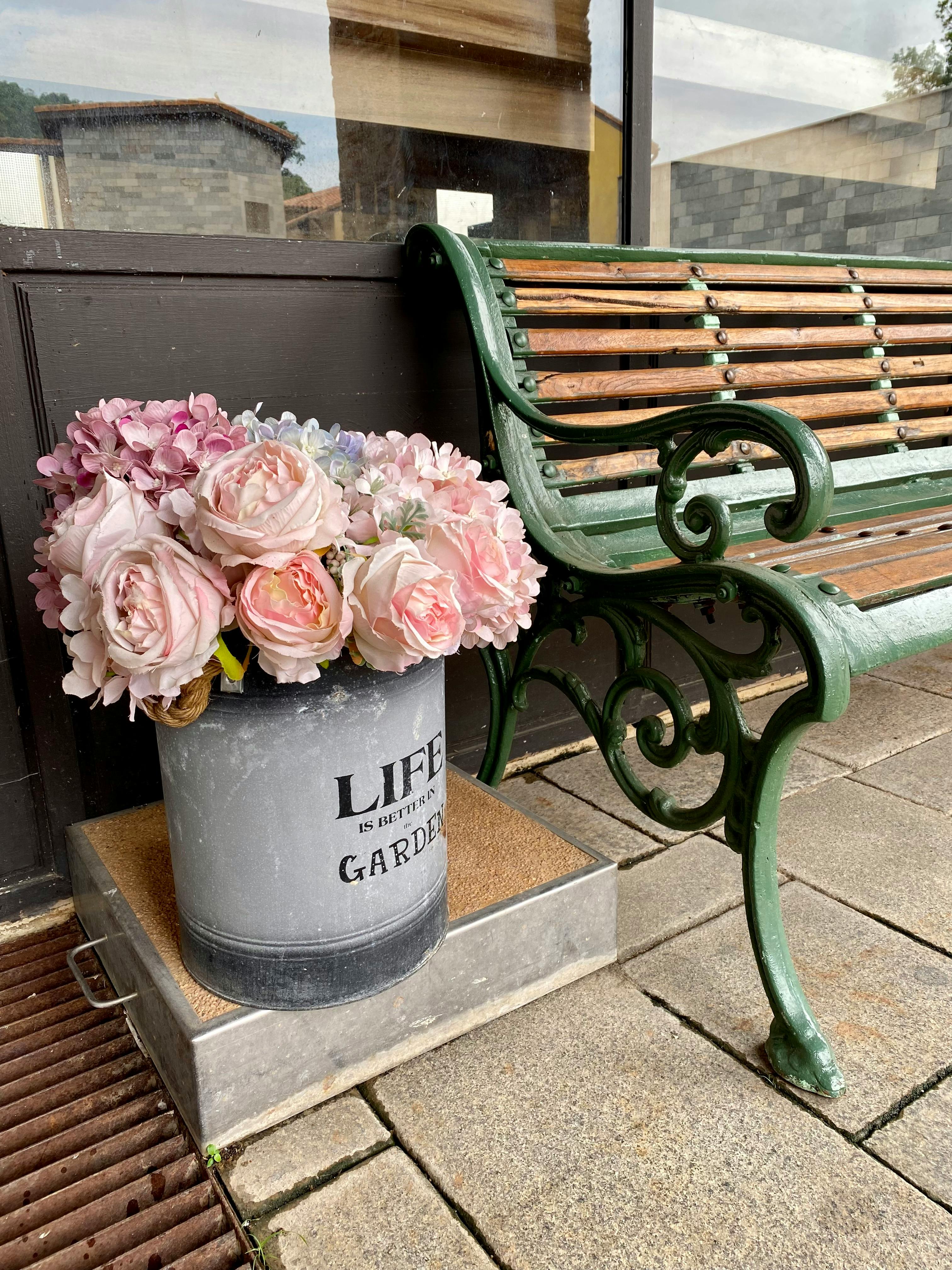
Think you need a large backyard to grow your own food? Think again! Container gardening makes it possible to grow vegetables, herbs, and fruits on balconies, patios, doorsteps, and even windowsills. Whether you live in an apartment, condo, or house with limited yard space, you can enjoy the satisfaction of harvesting homegrown produce.
Container gardening is not just for those short on space—it offers advantages even for gardeners with large yards. Containers are portable, allowing you to move plants to catch the sun or shelter from harsh weather. They eliminate problems with poor native soil, reduce weeding, and make gardening accessible for people with mobility issues.
This comprehensive guide will teach you everything you need to know about successful container gardening. From choosing the right containers and soil to selecting the best plants and caring for them, you'll be harvesting your own container-grown food in no time.
Why Choose Container Gardening?
Choosing the Right Containers
The container you choose is critical to your gardening success. Consider size, material, drainage, and aesthetics when making your selection.
Container Size Matters
Size is the most important factor. Too small, and plants become root-bound and stressed. Too large, and you waste soil and space. Here are general guidelines:
| Plant Type | Minimum Container Size | Examples |
|---|---|---|
| Small herbs | 4-6 inches diameter | Basil, cilantro, parsley, chives |
| Leafy greens | 6-8 inches diameter | Lettuce, spinach, kale, arugula |
| Bush vegetables | 8-12 inches diameter | Peppers, bush beans, dwarf tomatoes |
| Large plants | 12-18 inches diameter | Tomatoes, eggplants, cucumbers |
| Root vegetables | 10-12 inches deep | Carrots, radishes, potatoes |

Container Materials Compared
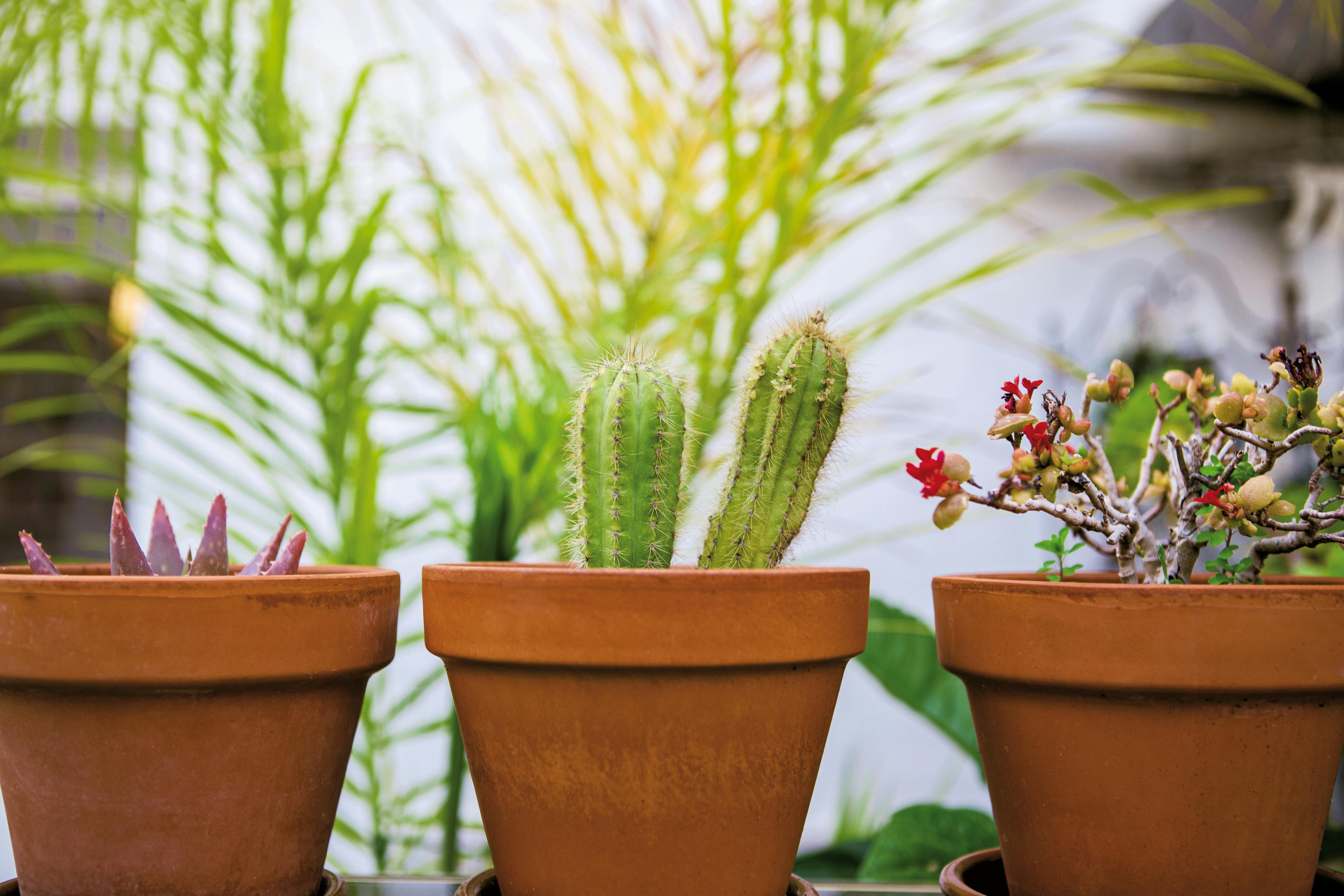
Terracotta/Clay
Pros: Classic look, porous (good air flow), heavy (wind-resistant)
Cons: Dries quickly, breaks easily, expensive, heavy
Best for: Herbs, succulents, indoor plants
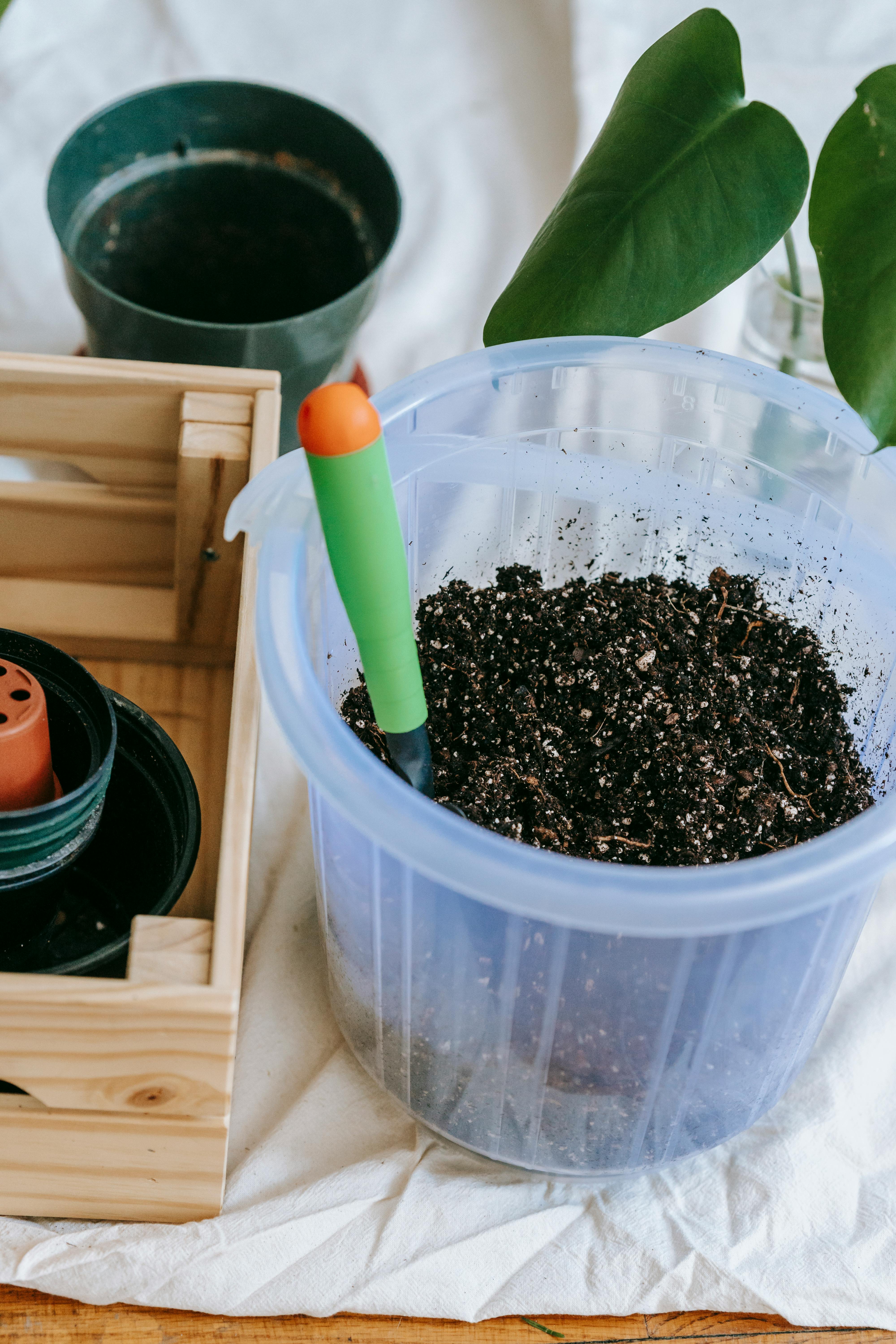
Plastic
Pros: Lightweight, inexpensive, retains moisture, durable
Cons: Can overheat, less attractive, degrades in sun
Best for: Vegetables, outdoor containers, beginners

Wood
Pros: Natural look, good insulation, large sizes available
Cons: Can rot, heavy, may need lining
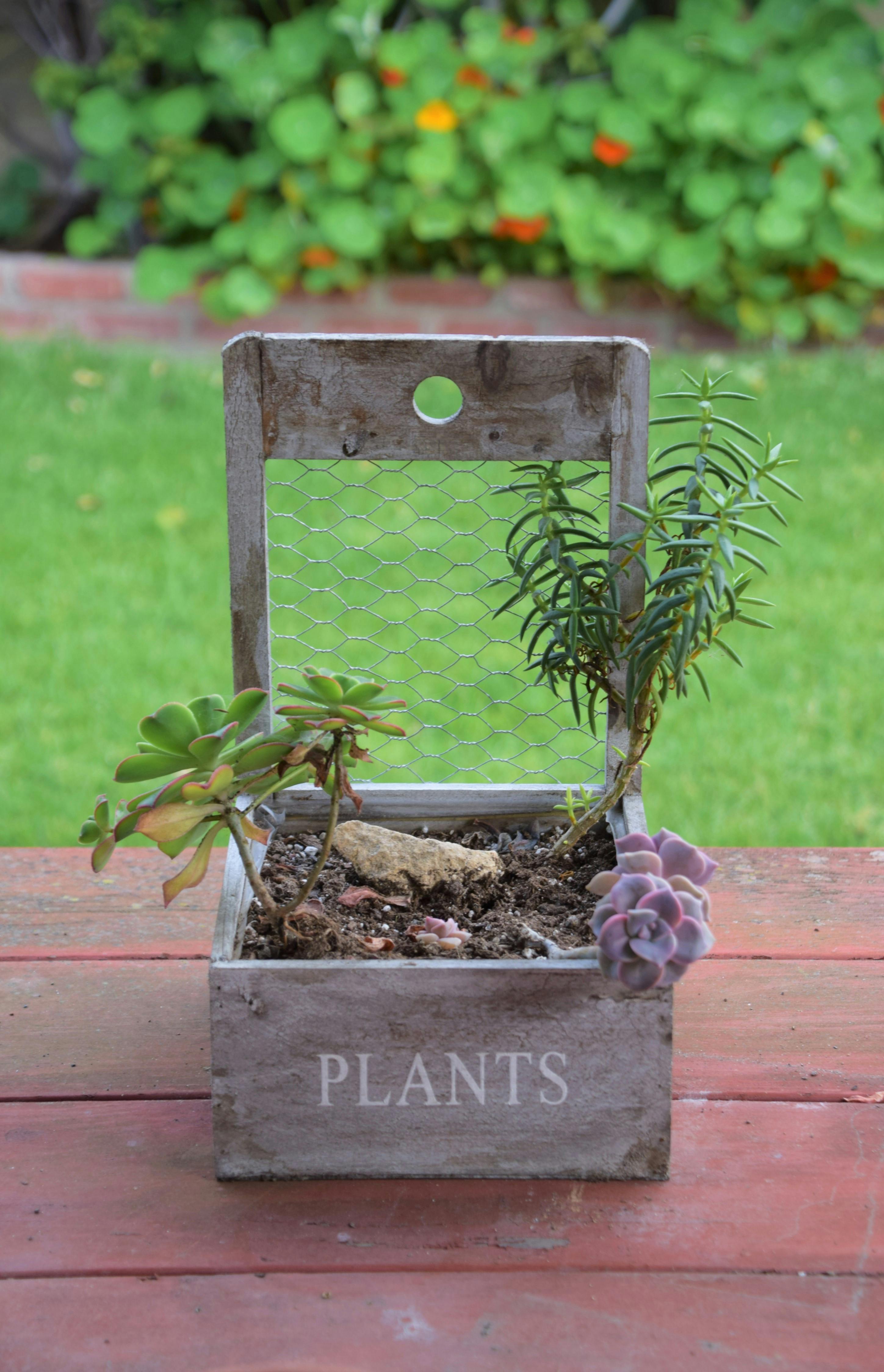
Best for: Large planters, raised beds, rustic gardens
Fabric Grow Bags
Pros: Excellent drainage, air-prunes roots, portable, collapsible
Cons: Dries quickly, less durable, can look messy
Best for: Potatoes, tomatoes, temporary gardens
Drainage is Critical
Whatever container you choose, it MUST have drainage holes. Without them, roots sit in water and rot. If you find the perfect pot without holes, drill them yourself or use it as a decorative outer pot (cachepot) with a plain nursery pot inside.
Drainage Tip
Don't put rocks or gravel at the bottom of pots! This old gardening myth actually raises the water table and can cause root rot. Just use pot feet to elevate containers slightly so water can drain freely. Coffee filters over drainage holes prevent soil loss.
The Perfect Container Soil Mix
Never use garden soil in containers! It's too heavy, compacts easily, and may contain diseases. Container plants need a lightweight, well-draining mix that retains moisture while allowing air to reach roots.
DIY Container Mix Recipe
Mix thoroughly and moisten before planting. This recipe works for most vegetables and herbs. For succulents and herbs that prefer drier conditions, increase perlite to 30-40%.
Commercial Options
Quality commercial potting mixes work well. Look for those labeled specifically for containers—not garden soil or topsoil. Avoid mixes with added fertilizers, as they can burn young plants. Organic options are widely available.
Best Plants for Container Gardening
Almost any vegetable can grow in a container with proper care, but some are especially well-suited. Look for compact, bush varieties labeled for containers.
Top 15 Vegetables for Containers
| Vegetable | Recommended Varieties | Container Size | Notes |
|---|---|---|---|
| Tomatoes | Tiny Tim, Patio, Tumbling Tom | 5+ gallons | Cherry types best; need support |
| Peppers | Any variety works | 3-5 gallons | Both sweet and hot peppers thrive |
| Lettuce | Cutting mixes, romaine | 6-8 inches deep | Grows quickly; succession plant |
| Spinach | Space, Bloomsdale | 6-8 inches deep | Prefers cooler weather |
| Kale | Dwarf Blue Curled | 1-2 gallons | Very productive in containers |
| Radishes | Cherry Belle, French Breakfast | 6-8 inches deep | Ready in 25-30 days |
| Carrots | Thumbelina, Paris Market | 10-12 inches deep | Choose shorter varieties |
| Beans | Bush beans only | 2-3 gallons | Pole beans need large support |
| Peas | Bush peas, sugar snaps | 2-3 gallons | Provide small trellis |
| Cucumbers | Bush varieties only | 5+ gallons | Bush Pickle, Spacemaster |
| Zucchini | Bush varieties only | 5+ gallons | Raven, Eight Ball, Patio Star |
| Eggplant | Patio Baby, Fairy Tale | 3-5 gallons | Compact varieties best |
| Potatoes | Any in grow bags | 10-15 gallons | Use fabric bags for easy harvest |
| Onions | Green onions, scallions | 6-8 inches deep | Easy and fast-growing |
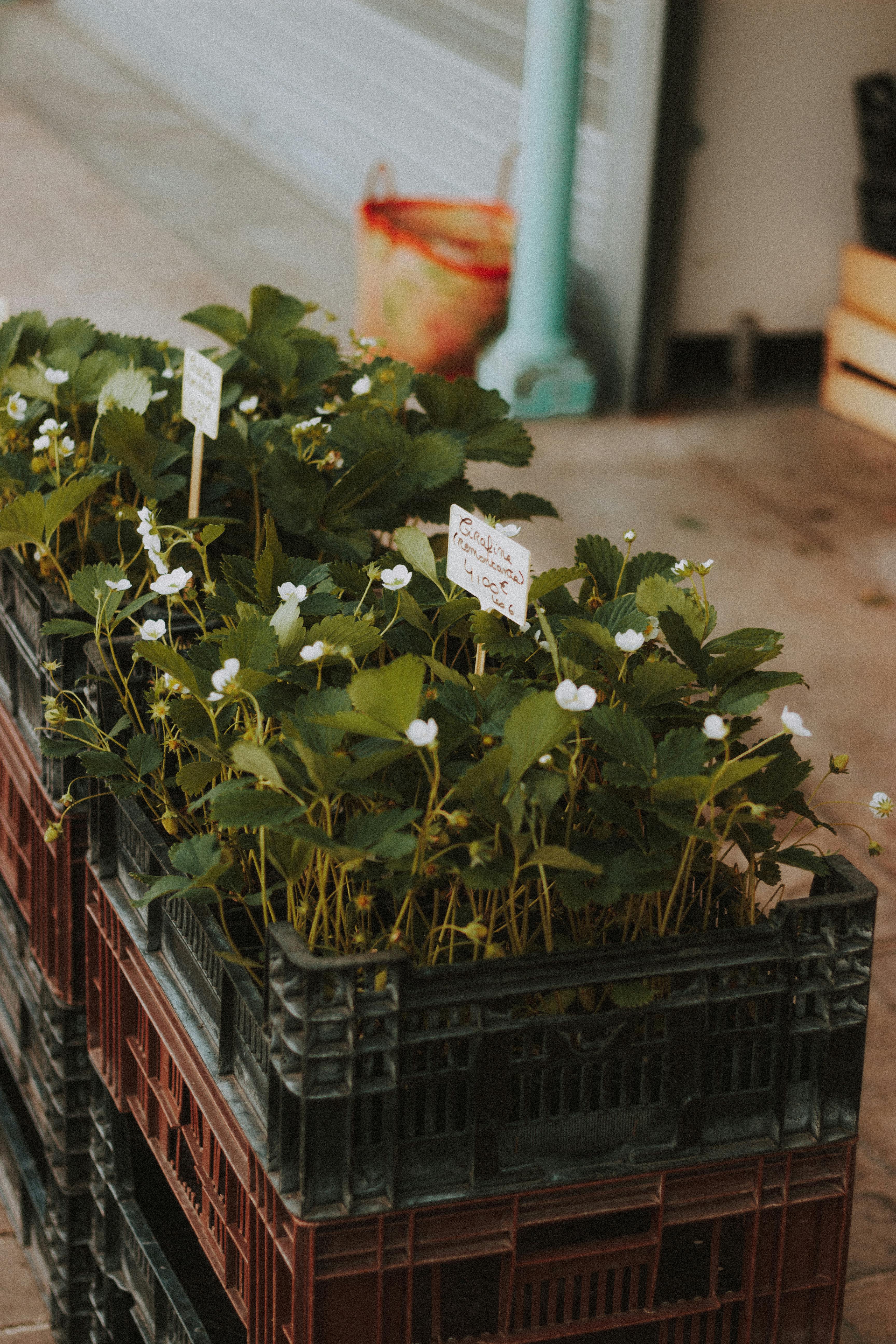
| Strawberries | Day-neutral varieties | Hanging baskets | Beautiful and productive |

Best Herbs for Containers
- Basil: Thrives in pots; pinch flowers to encourage leaf growth
- Parsley: Deep taproot needs 8+ inch pot
- Cilantro: Quick-growing; succession plant every 2-3 weeks
- Mint: Grow alone—it will take over any pot!
- Rosemary: Woody perennial; needs well-draining soil
- Thyme: Low-growing, drought-tolerant
- Oregano: Spreading habit; delicious in Italian dishes
- Chives: Easy, perennial, beautiful purple flowers
- Sage: Woody stems; needs good drainage
- Dill: Tall, feathery; attracts beneficial insects
Planting Your Container Garden
Step-by-Step Planting
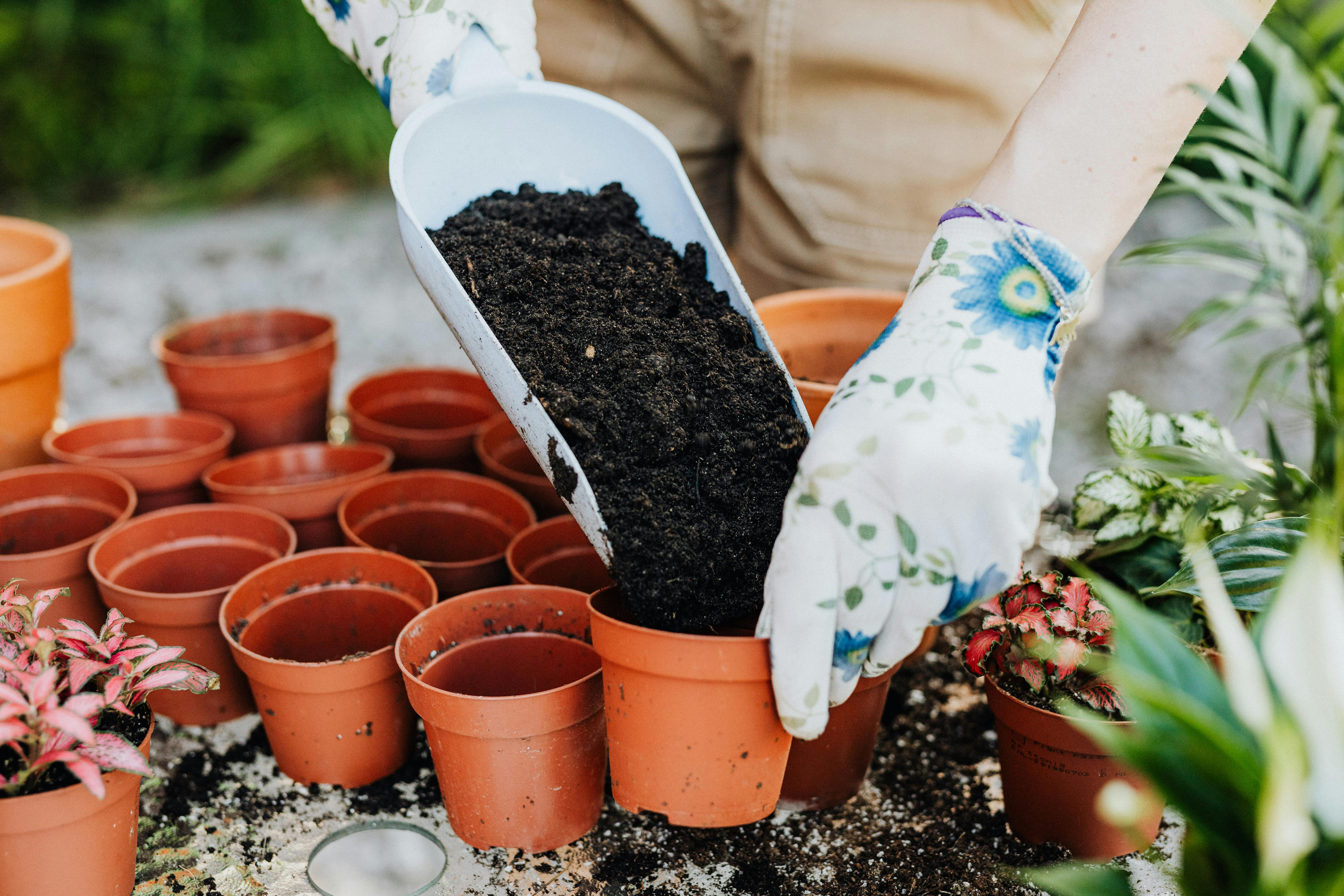
- Clean containers: Wash with soapy water, rinse well, disinfect with 10% bleach solution if previously used
- Cover drainage holes: Use coffee filters, mesh, or pot shards to prevent soil loss
- Add moistened soil: Fill within 1-2 inches of rim
- Plant: Dig holes slightly larger than root balls, place plants at same depth as in nursery pots
- Water thoroughly: Until water runs from drainage holes
- Mulch: Add thin layer of mulch or compost to conserve moisture
Spacing in Containers
You can plant more densely in containers than in ground because roots are confined and you control water and nutrients. Follow these guidelines:
- Small containers (6-8 inches): 1-2 plants of herbs or greens
- Medium containers (10-12 inches): 2-3 leafy greens or 1 larger plant
- Large containers (14-18 inches): 3-5 plants or combination plantings
- Extra large (20+ inches): Multiple vegetables, create mini-garden
Thriller-Filler-Spiller Method
For beautiful mixed containers, use the thriller-filler-spiller method:
- Thriller: Tall focal point (tomato, pepper, ornamental grass)
- Filler: Bushy plants around base (basil, lettuce, marigolds)
- Spiller: Trailing plants over edges (creeping thyme, nasturtiums, strawberries)
This creates stunning, productive containers that look as good as they taste!
Watering Container Gardens
Watering is the biggest challenge in container gardening. Containers dry out much faster than garden soil—sometimes needing water twice daily in hot weather.
How Often to Water
There's no set schedule—check daily. Water when:
- Soil feels dry 1-2 inches below surface
- Container feels light when lifted
- Plants begin to wilt (don't let them get this stressed)
Watering Tips
- Water thoroughly: Until water runs from drainage holes—this ensures entire root ball is wet
- Water in morning: Plants have all day to absorb before night
- Self-watering containers: Great for consistent moisture, especially for busy gardeners
- Water reservoirs: Saucers catch excess but empty after 30 minutes to prevent root rot
- Mulch: Add 1-2 inch layer of straw, leaves, or compost to reduce evaporation
Critical Warning
Containers in full sun can dry out completely in just hours on hot, windy days. During heat waves, check containers morning and evening. When in doubt, stick your finger in the soil. If it's dry at your second knuckle, water immediately.
Fertilizing Container Plants
Container plants need regular fertilization because nutrients wash out with frequent watering. Unlike garden soil, potting mix provides no native fertility.
Fertilizer Types
- Slow-release organic fertilizers: Mix into soil at planting; last 2-3 months
- Liquid fertilizers: Apply every 2-3 weeks; fast-acting but temporary
- Compost tea: Gentle, organic option; apply every 2 weeks
- Fish emulsion: High nitrogen; excellent for leafy greens
Fertilizing Schedule
| Plant Stage | Fertilizer Type | Frequency |
|---|---|---|
| At planting | Slow-release organic + compost | Once |
| Early growth | Balanced liquid (10-10-10) | Every 3 weeks |
| Flowering/fruiting | Low nitrogen, high phosphorus | Every 2-3 weeks |
| Leafy greens | High nitrogen | Every 3 weeks |
Container Garden Maintenance
Daily/Weekly Tasks
- Check water: Daily during growing season
- Remove yellow leaves: Keeps plants healthy and attractive
- Deadhead flowers: For vegetables, remove flowers only if you want leaf production
- Check for pests: Early detection is easier in containers
- Rotate containers: If on wheels, turn for even sun exposure
Monthly Tasks
- Fertilize: According to schedule above
- Top-dress with compost: Add 1/2 inch fresh compost
- Check drainage holes: Ensure they're not blocked
- Prune as needed: Keep plants shapely and productive
Seasonal Tasks
- Spring: Refresh soil, plant warm-season crops after frost
- Summer: Monitor water closely, fertilize regularly
- Fall: Plant cool-season crops, prepare to move tender plants indoors
- Winter: Empty and store containers in cold climates; protect perennials
Pest and Disease Management in Containers
Container plants often have fewer pest problems than garden plants, but issues can still occur.
Common Container Pests
- Aphids: Spray with water or insecticidal soap
- Spider mites: Increase humidity, spray with water, use neem oil
- Whiteflies: Yellow sticky traps, insecticidal soap
- Fungus gnats: Let soil dry between waterings, use sticky traps
Prevention
- Use clean, sterilized containers and fresh potting mix
- Inspect plants before buying or bringing indoors
- Provide good air circulation—don't crowd containers
- Water properly—avoid wet foliage
- Remove affected leaves immediately
Season Extension with Containers
One of container gardening's biggest advantages is mobility. Use this to extend your growing season.
Extending Spring and Fall
- Start earlier: Move containers outdoors on warm days, indoors on cold nights
- Cold frames: Place containers in cold frames for protection
- Frost protection: Cover containers or move to protected areas when frost threatens
- Sun traps: Position against south-facing walls for extra warmth
Winter Gardening
In mild climates, grow cool-season crops all winter in containers. In cold climates, move tender perennials indoors or to a greenhouse. Hardy greens like kale and spinach can survive under cover in many areas.
Container Garden Design Ideas
Themed Container Gardens
- Pizza garden: Tomatoes, basil, oregano, peppers in one large container
- Salad bar: Lettuce, spinach, radishes, green onions, cherry tomatoes
- Tea garden: Mint, chamomile, lemon balm, lavender
- Salsa garden: Tomatoes, peppers, cilantro, onions
- Italian garden: Tomatoes, basil, parsley, oregano, garlic
Vertical Container Gardening
Maximize small spaces by growing up!
- Wall-mounted planters: Perfect for herbs and small greens
- Hanging baskets: Great for strawberries, cherry tomatoes, trailing plants
- Tiered plant stands: Multiple levels for many containers
- Trellises in containers: Grow peas, beans, small cucumbers upward
- Pocket planters: Fabric pockets on walls or fences
Troubleshooting Common Container Problems
| Problem | Symptoms | Cause | Solution |
|---|---|---|---|
| Wilting | Leaves drooping | Underwatering or overwatering | Check soil moisture; water if dry; improve drainage if wet |
| Yellow leaves | Lower leaves yellowing | Overwatering, nitrogen deficiency | Reduce water; fertilize with nitrogen |
| Brown leaf edges | Crispy brown tips | Underwatering, salt buildup, fertilizer burn | Water more; leach soil with plain water |
| Leggy growth | Tall, weak stems | Insufficient light | Move to sunnier location |
| No flowers/fruit | Lush leaves, no production | Too much nitrogen, insufficient light | Reduce nitrogen fertilizer; increase sun |
| Roots out bottom | Roots emerging from drainage holes | Root-bound, needs larger pot | Repot into larger container |
| White crust on soil | White mineral deposits | Salt buildup from fertilizer | Scrape off; leach soil; use less fertilizer |
Succession Planting in Containers
Keep your containers productive all season with succession planting:
- Plant cool-season crops (lettuce, radishes) in early spring
- Replace with warm-season crops (tomatoes, peppers) after harvest
- Plant fall crops (kale, spinach) in late summer
- In mild climates, grow winter greens
This way, one container provides food for months!
Container Gardening on a Budget
- Repurpose containers: 5-gallon buckets, plastic tubs, wash basins (drill drainage holes)
- Make your own potting mix: DIY recipe saves money
- Start from seed: Much cheaper than buying plants
- Swap plants with friends: Share seedlings and cuttings
- Buy containers off-season: Fall clearance sales
- Use nursery pots: Often free from garden centers
- Make compost: Free fertilizer from kitchen scraps
Conclusion
Container gardening opens up a world of possibilities for growing your own food, regardless of where you live. With the right containers, soil, and care, you can harvest fresh vegetables and herbs from the smallest balcony, patio, or doorstep.
Start small—a few herbs or a single tomato plant—and expand as you gain confidence. Container gardening is incredibly forgiving and rewarding. There's nothing quite like stepping outside to pick fresh basil for pasta or cherry tomatoes for a salad, all from plants growing just feet from your kitchen.
Remember the key principles: proper container size, quality potting mix, consistent watering, regular fertilization, and choosing plants suited to containers. Follow these guidelines, and you'll be amazed at what you can grow in even the smallest spaces.
Happy container gardening! No yard? No problem!